Esna Temple is one of the most interesting stops for visitors planning a Nile journey in Egypt. It may not always be as famous as Abu Simbel, Philae, Edfu, or Kom Ombo, but it adds important context to the story of the Nile, ancient Egypt, and the landscapes between Luxor, Aswan, and Lake Nasser.
For travelers taking a Dahabiya Nile Cruise, this stop offers a slower and more atmospheric way to experience the Nile between Luxor and Aswan. It works especially well for visitors who want more than the standard large-ship route.
Quick Answer: What Is Esna Temple?
The Esna Temple, also known as the Temple of Khnum at Esna, is a temple south of Luxor famous for its Roman-period pronaos, decorated columns, inscriptions, astronomical ceiling, and restored colors.
| Location | Esna, south of Luxor on the west bank of the Nile |
| Main Deity | Khnum |
| Best Known For | Decorated columns, colorful ceiling, astronomical scenes |
| Best Visited With | Dahabiya cruise, Esna market, Luxor extension |
| Suggested Visit Time | 45 minutes to 1.5 hours |
Where Is the Temple of Esna?
The Temple of Esna is located in the town of Esna, south of Luxor. The temple sits below modern street level, creating a striking first impression when visitors look down into the ancient monument from the surrounding town.
Why Is the Temple of Esna Important?
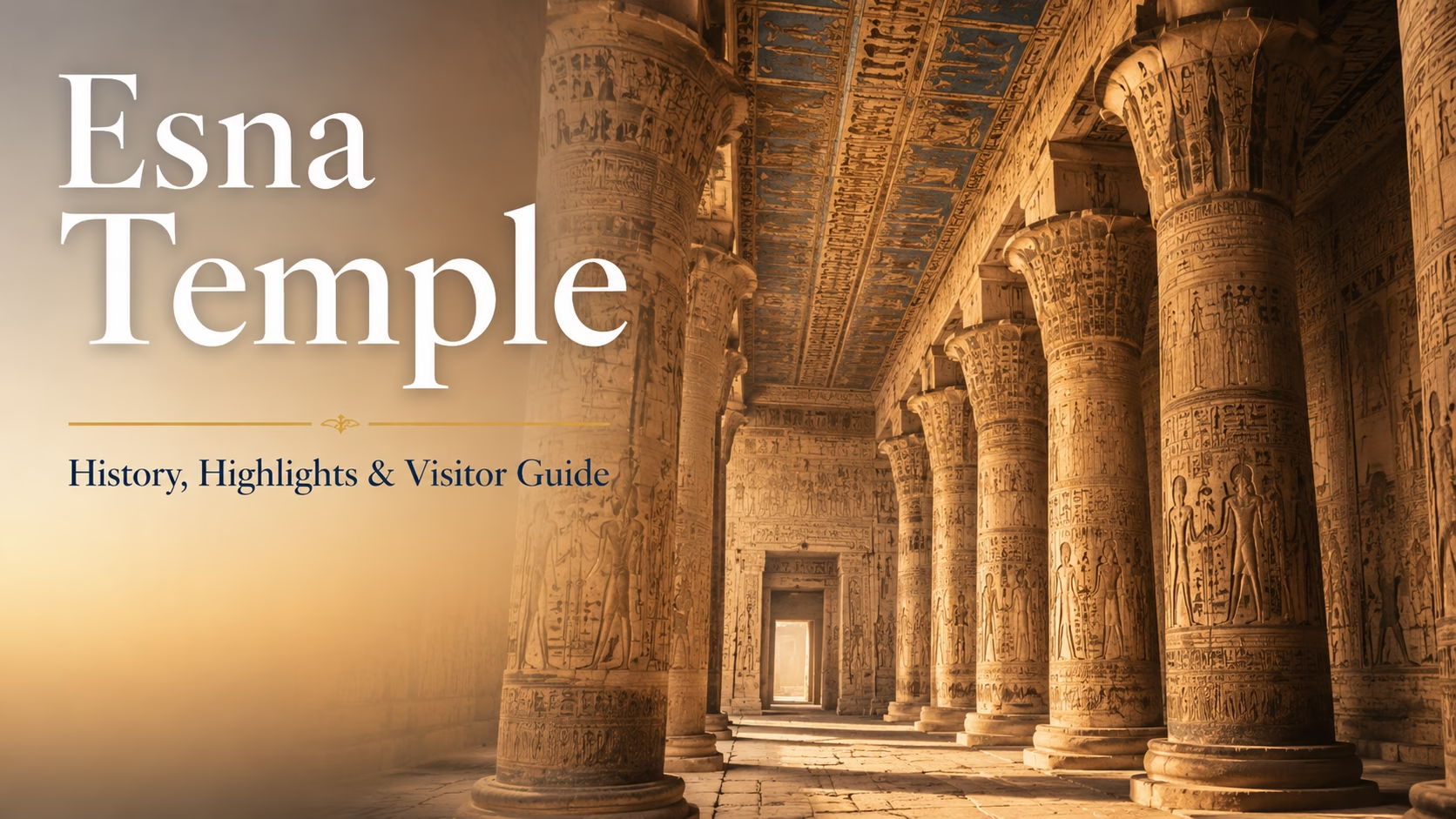
Esna Temple is important because it preserves one of the most beautiful and text-rich temple halls in Egypt. Restoration work has revealed vivid ancient colors on walls, columns, and ceiling scenes, helping visitors imagine how colorful Egyptian temples once were.
What Can You See at Esna Temple?
A visit to Esna Temple is best when you slow down and understand the story behind the site. Some travelers come for architecture, others for scenery, and others for the deeper connection with Nile cruise history.
Main highlights include:
- Decorated columns
- Colorful ceiling scenes revealed by restoration
- Astronomical and zodiac-related imagery
- Hieroglyphic inscriptions on walls and columns
- Scenes of kings and gods
- Unusual setting below street level
- Nearby Esna market atmosphere
For most visitors, the experience becomes more meaningful with a guide who can explain the historical background, religious meaning, and travel context.
The Story Behind Esna Temple
Ancient Egyptians worshipped Khnum as a ram-headed creator god linked to the Nile, creation, and the potter’s wheel. This connection makes Esna especially meaningful for Nile travelers because the temple’s main deity represents life-giving water and creation.
How Esna Temple Fits Into a Nile Cruise Itinerary
Esna Temple works best when travelers connect it to the right route. Lake Nasser cruises include some sites on this list, while dahabiya itineraries between Luxor and Aswan suit others better.
If you are comparing cruise styles, start with Egypt Nile Cruises. For a classic route, see the Luxor to Aswan Nile Cruise. And for smaller sailing routes, compare Dahabiya Nile Cruise options. For southern Nubian monuments, explore Lake Nasser Nile Cruise options.
Related dahabiya and Nile route articles to publish or link next:
How Long Do You Need at Esna Temple?
Most travelers need between 30 minutes and two hours, depending on the site, guide, docking time, and itinerary style. Smaller sites can be quick, but the best experience usually comes when you allow time for photos, explanation, and the surrounding landscape.
If your cruise includes this stop, always check whether the itinerary offers a full guided visit, a short walking stop, or a panoramic viewing from the boat.
Best Time to Visit Esna Temple
The most comfortable travel season is generally from October to April. Southern Egypt can be very hot, especially around open archaeological sites, desert paths, and exposed riverbanks.
Simple visiting tips:
- Wear comfortable walking shoes
- Bring small cash for local purchases if visiting the market
- Use a guide for the inscriptions
- Look carefully at the ceiling colors
- Confirm whether your cruise includes the temple or only passes Esna Lock
Tip: Opening hours, tickets, and access rules can change, so check the official visitor information before you travel: official monument information.
Is Esna Temple Worth Visiting?
Yes, Esna Temple is worth visiting, especially if you are taking a dahabiya cruise or want a less crowded temple near Luxor. Its restored colors and detailed ceiling make it one of the most visually interesting smaller temple stops in Egypt.
Travelers who want to understand Egypt beyond its most famous highlights especially appreciate this stop. These quieter places can make a Nile journey feel more complete, personal, and connected to the landscape.
Plan Your Esna Temple Visit With Egypt Nile Cruise Hub
Want a slower Nile journey? A dahabiya cruise can include quieter stops such as Esna, El Kab, Wadi el Shat, and Gebel el Silsila. Tell Egypt Nile Cruise Hub your dates and preferred comfort level, and we will help you choose the right sailing plan.
- Dahabiya Nile Cruise
- Luxor to Aswan Nile Cruise
- Luxor Travel Guide
- Aswan Travel Guide
- Egypt Nile Cruises
FAQs About Esna Temple
Where is Esna Temple?
Esna Temple is in the town of Esna, south of Luxor on the west bank of the Nile.
What god is Esna Temple dedicated to?
It is dedicated mainly to Khnum, the ram-headed creator god.
Is Esna Temple included in Nile cruises?
Some dahabiya cruises include Esna Temple. Larger ships may pass Esna Lock without always visiting the temple.
What is Esna Temple famous for?
It is famous for decorated columns, detailed inscriptions, astronomical ceiling scenes, and restored colors.
How long do you need at Esna Temple?
Most visitors need around 45 minutes to 1.5 hours.
“Not sure which cruise to choose? Tell us your dates and budget.”