Temple of Wadi es-Sebua is one of the most interesting stops for visitors planning a Nile journey in Egypt. It may not always be as famous as Abu Simbel, Philae, Edfu, or Kom Ombo, but it adds important context to the story of the Nile, ancient Egypt, and the landscapes between Luxor, Aswan, and Lake Nasser.
For travelers taking a Lake Nasser Nile Cruise, this site adds depth to the journey between Aswan and Abu Simbel. It connects ancient Nubia, the Aswan High Dam rescue story, and the quieter temple landscapes south of Aswan.
“Not sure which cruise to choose? Tell us your dates and budget.”
Quick Answer: What Is Temple of Wadi es-Sebua?
The Temple of Wadi es-Sebua is a Ramesside temple in Nubia built by Ramses II and dedicated to Amun-Ra and Ra-Horakhty. It is now located at New Wadi es-Sebua after relocation to protect it from Lake Nasser.
| Location Today | New Wadi es-Sebua, Lake Nasser |
| Built By | Ramses II |
| Dedicated To | Amun-Ra and Ra-Horakhty |
| Best Known For | Sphinx-lined approach and Nubian temple setting |
| Best Visited With | Temple of Dakka and Temple of al-Maharraqa |
Where Is Temple of Wadi es-Sebua?
The temple is now located at New Wadi es-Sebua, a relocated site that includes Wadi es-Sebua, Dakka, and al-Maharraqa. It is normally reached by Lake Nasser cruise ship rather than a classic Nile cruise from Luxor to Aswan.
Why Is Temple of Wadi es-Sebua Important?
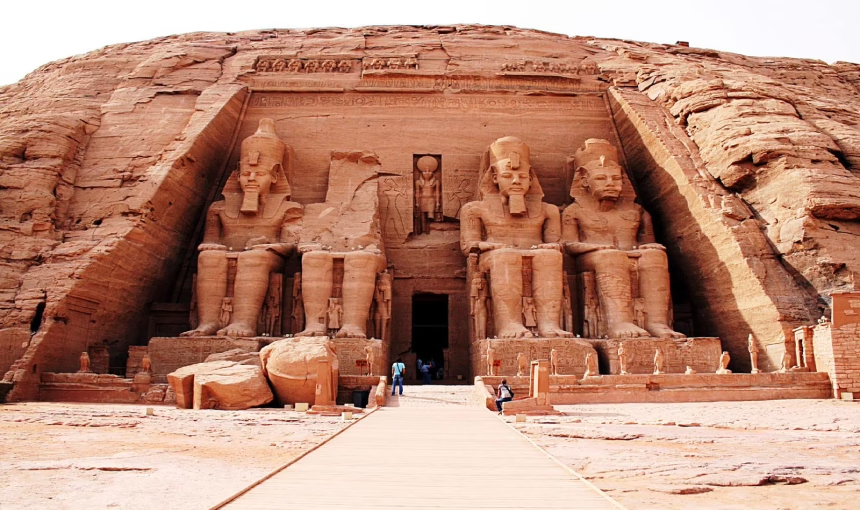
The Temple of Wadi es-Sebua is important because it shows Ramses II’s political and religious presence in Nubia. Like Abu Simbel, it uses architecture, royal imagery, and sacred space to express the king’s power in the south.
What Can You See at Temple of Wadi es-Sebua?
A visit to Temple of Wadi es-Sebua is best when you slow down and understand the story behind the site. Some travelers come for architecture, others for scenery, and others for the deeper connection with Nile cruise history.
Main highlights include:
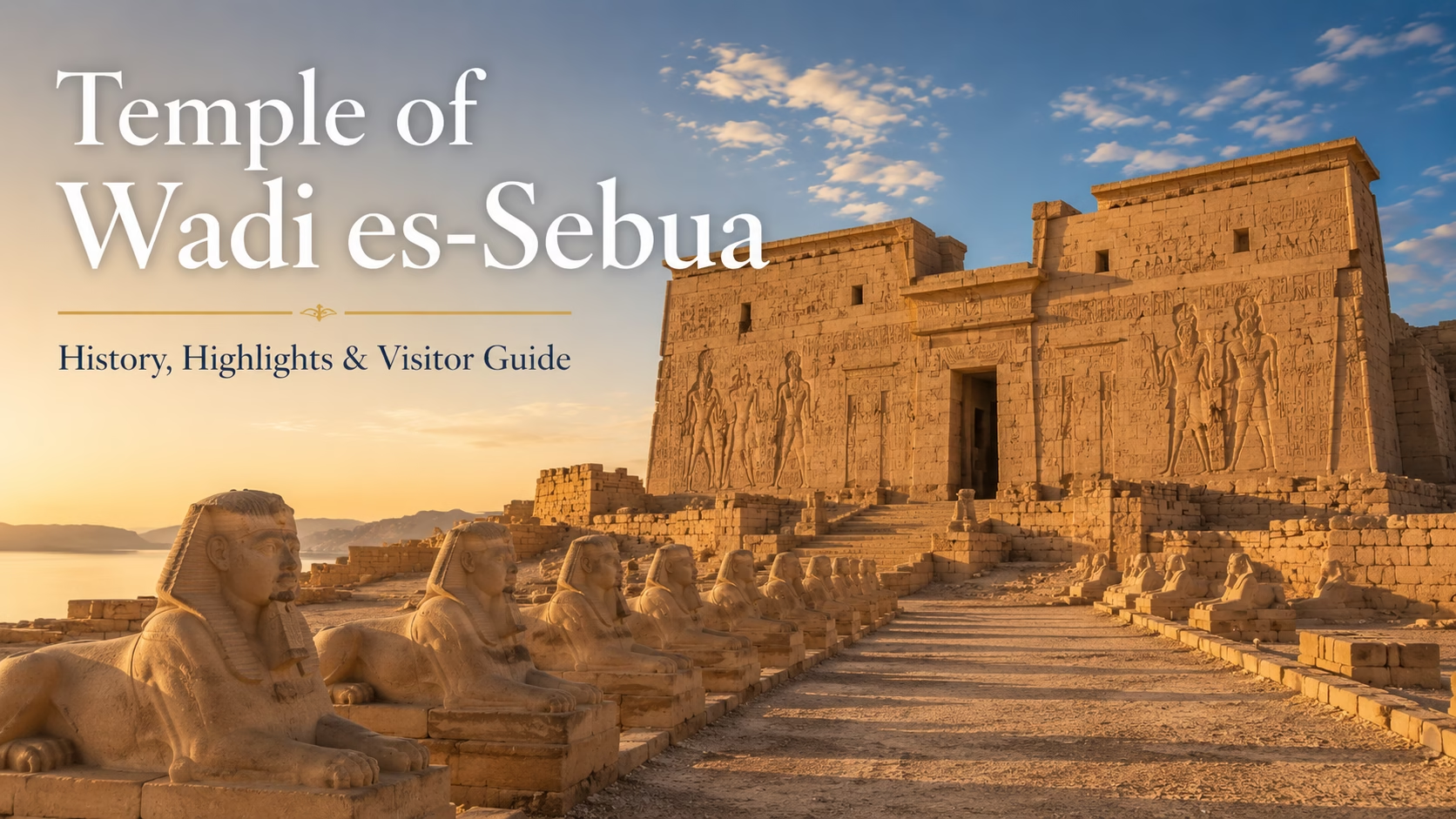
- Sphinx-lined processional way
- Surviving pylon and temple entrance
- Reliefs of Ramses II performing rituals
- Rock-cut inner areas
- Desert scenery around New Wadi es-Sebua
- Nearby Dakka and al-Maharraqa temples
For most visitors, the experience becomes more meaningful with a guide who can explain the historical background, religious meaning, and travel context.
The Story Behind Temple of Wadi es-Sebua
Wadi es-Sebua means “Valley of the Lions,” a name that refers to the sphinxes lining the approach. Archaeologists moved the temple from its original location during the Nubian rescue campaign after the Aswan High Dam project.
How Temple of Wadi es-Sebua Fits Into a Nile Cruise Itinerary
Temple of Wadi El Sebua works best when travelers choose the right route. Lake Nasser cruises include some sites on this list, while dahabiya itineraries between Luxor and Aswan suit others better.
If you are comparing cruise styles, start with Egypt Nile Cruises. For a classic route, see the Luxor to Aswan Nile Cruise. And for smaller sailing routes, compare Dahabiya Nile Cruise options. For southern Nubian monuments, explore Lake Nasser Nile Cruise options.
Related Lake Nasser articles:
How Long Do You Need at Temple of Wadi es-Sebua?
Most travelers need between 30 minutes and two hours, depending on the site, guide, docking time, and itinerary style. Smaller sites can be quick, but the best experience usually comes when you allow time for photos, explanation, and the surrounding landscape.
If your cruise includes this stop, check whether the guide offers a full guided visit, a short walking stop, or only a panoramic view from the boat.
Best Time to Visit Temple of Wadi es-Sebua
The most comfortable travel season is generally from October to April. Southern Egypt can be very hot, especially around open archaeological sites, desert paths, and exposed riverbanks.
Simple visiting tips:
- Wear sun protection
- Bring water
- Use comfortable walking shoes
- Ask your guide about the sphinx avenue
- Visit Dakka and al-Maharraqa if included
- Check your Lake Nasser cruise schedule
Tip: Opening hours, tickets, and access rules can change, so check the official visitor information before you travel: official monument information.
Is Temple of Wadi es-Sebua Worth Visiting?
Yes, the Temple of Wadi es-Sebua is worth visiting on a Lake Nasser cruise. It is one of the most visually interesting Nubian temple stops because of its sphinxes, open approach, and Ramses II history.
We especially recommend this stop for travelers who want to understand Egypt beyond the most famous highlights. These quieter stops make a Nile journey feel more complete, personal, and connected to the landscape.
Plan Your Temple of Wadi es-Sebua Visit With Egypt Nile Cruise Hub
Planning a Lake Nasser cruise? Tell Egypt Nile Cruise Hub your travel dates, cruise style, and budget, and we will help you choose the best route between Aswan, Abu Simbel, and the Nubian temples.
- Lake Nasser Nile Cruise
- M/S African Dreams Lake Cruise
- Aswan Travel Guide
- Abu Simbel Temples
- Egypt Nile Cruises
FAQs About Temple of Wadi es-Sebua
It is located at New Wadi es-Sebua on Lake Nasser in southern Egypt.
The temple was built by Ramses II.
It is often translated as Valley of the Lions, referring to the sphinxes near the temple approach.
Visit it with the Temple of Dakka and the Temple of al-Maharraqa.
“Not sure which cruise to choose? Tell us your dates and budget.”
Not sure which Nile cruise is right for you?
Answer a few quick questions and we will match you with the best ships for your trip.