The Colossi of Memnon are two of the most famous landmarks on the West Bank of Luxor. These huge seated statues of Pharaoh Amenhotep III stand beside the road that leads to the Valley of the Kings, the Temple of Hatshepsut, Medinet Habu, and other great sites of ancient Thebes.
For many travelers taking a Nile cruise in Egypt, the Colossi of Memnon are a short but memorable stop during a Luxor West Bank tour. The visit does not take long, but the statues tell a powerful story about royal ambition, ancient engineering, earthquakes, Roman travelers, and the lost mortuary temple of Amenhotep III.
This guide explains what the Colossi of Memnon are, why they are important, what you can see today, how long you need, and how to include them in your Luxor to Aswan Nile Cruise itinerary.
“Not sure which cruise to choose? Tell us your dates and budget.”
Quick Answer: What Are the Colossi of Memnon?
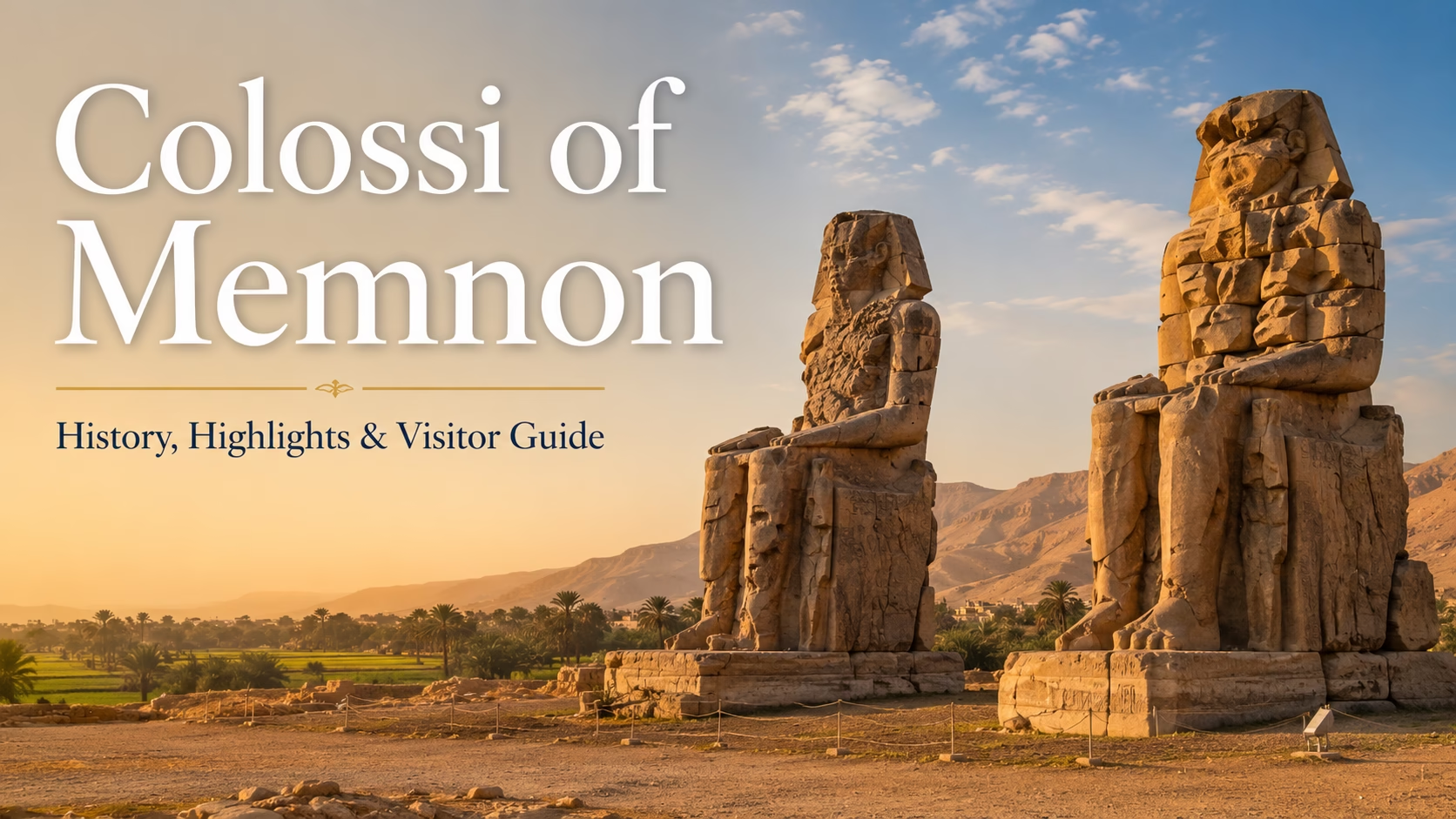
The Colossi of Memnon are two massive seated statues of Pharaoh Amenhotep III. They once guarded the entrance to his great mortuary temple on the West Bank of Thebes, opposite modern Luxor.
Today, the temple behind them is mostly ruined, but the statues still stand as a dramatic reminder of the scale of ancient Thebes. They are often one of the first stops on a West Bank tour and are easy to combine with the Valley of the Kings, Hatshepsut Temple, and Medinet Habu.
| Location | West Bank of Luxor, Egypt |
| Built For | Pharaoh Amenhotep III |
| Period | New Kingdom, 18th Dynasty |
| Best Known For | Two giant seated statues and the ancient “singing” legend |
| Suggested Visit Time | 15 to 30 minutes |
| Best Combined With | Valley of the Kings, Hatshepsut Temple, Medinet Habu, Ramesseum |
Why Are the Colossi of Memnon Important?
The Colossi of Memnon are important because they are among the most visible remains of the Mortuary Temple of Amenhotep III. In ancient times, this temple was one of the largest and most impressive royal memorial temples in Thebes.
Amenhotep III ruled during one of Egypt’s most prosperous periods. His reign was known for wealth, diplomacy, building projects, royal art, and grand religious monuments. The two statues were designed to show his eternal presence at the entrance to his temple.
Although floods, earthquakes, stone reuse, and time damaged much of the temple, the Colossi survived. Their survival makes them one of the most recognizable symbols of Luxor’s West Bank.
The Lost Mortuary Temple of Amenhotep III
When visitors see the Colossi today, it is easy to think they are standing alone. In reality, they were once part of a much larger sacred complex. The mortuary temple of Amenhotep III extended behind the statues and was dedicated to the king’s cult after death, as well as to religious rituals connected with the god Amun.
In ancient Egypt, a mortuary temple was not simply a tomb. It was a ritual center where offerings, ceremonies, and royal memory continued after the king’s death. The king’s actual tomb was elsewhere in the Theban hills, but the mortuary temple kept his divine image alive in public religious life.
Archaeological work in the area has revealed more statues, columns, blocks, and remains from this once-great temple. This helps visitors imagine how much larger the site originally was.
Why Are They Called the Colossi of Memnon?
The name “Memnon” comes from a Greek and Roman tradition, not from ancient Egyptian history. Ancient visitors connected one of the statues with Memnon, a heroic figure from Greek mythology.
The connection became famous because of the legend of the “singing statue.” After an earthquake in antiquity, the northern statue was said to produce a sound at dawn. Greek and Roman travelers came to hear it and left inscriptions on the stone.
Later repairs stopped the sound, but the legend remained. Today, the name Colossi of Memnon is still used around the world, even though the statues actually represent Amenhotep III.
What Can You See at the Colossi of Memnon?
A visit to the Colossi is simple and quick. The statues sit beside the road, facing east toward the Nile and the rising sun. Most travelers stop for photos, listen to a short explanation from their guide, and then continue to other West Bank sites.
During your visit, look for:
- The two seated statues of Amenhotep III
- The smaller figures beside the king’s legs
- The broad agricultural landscape around the site
- The Theban hills in the background
- Traces of the wider Amenhotep III temple area
- The contrast between the open road setting and the ancient royal scale
Even though the stop is short, it is a great place to begin a Luxor West Bank tour because it introduces the idea of royal mortuary temples before you visit larger sites nearby.
Best Time to Visit the Colossi of Memnon
The best time to visit the Colossi of Memnon is early morning or late afternoon. Morning is common because many West Bank tours start here before continuing to the Valley of the Kings. Late afternoon gives beautiful light for photography.
The site is open and exposed, so it can feel hot in the middle of the day, especially from May to September. During winter and spring, the visit is usually more comfortable.
Simple visitor tips:
- Visit early if your tour starts on the West Bank
- Bring water and sun protection
- Use the stop as a short introduction, not a long visit
- Ask your guide to explain Amenhotep III and the lost temple
- Take wide photos to show the statues with the Theban hills
How Long Do You Need at the Colossi of Memnon?
Most travelers need only 15 to 30 minutes at the Colossi of Memnon. There are no large interiors to explore, and the site is usually a photo and explanation stop.
That said, the Colossi are worth visiting because they are convenient, free-flowing, and historically important. They also help you understand the West Bank as a landscape of royal memory, not just a collection of separate monuments.
How to Include the Colossi in a Nile Cruise Itinerary
The Colossi of Memnon are often included during the Luxor sightseeing day of a Nile cruise. If your cruise starts in Luxor, you may visit them before boarding or during the first full day. If your cruise ends in Luxor, they may be part of your final West Bank tour.
Typical Luxor West Bank route:
- Valley of the Kings
- Temple of Hatshepsut
- Colossi of Memnon
- Optional Medinet Habu or the Ramesseum
- Return to the Nile cruise ship
Many cruise itineraries include the Colossi as a quick stop. If you want a deeper West Bank experience, ask your tour planner to add more Luxor sites such as Medinet Habu or the Ramesseum.
Nearby Attractions
The Colossi are close to several major West Bank sites. They are not usually visited alone because the stop is short and easy to combine with other attractions.
- Valley of the Kings: Royal tombs of New Kingdom pharaohs
- Temple of Hatshepsut: Terraced temple at Deir el-Bahari
- Medinet Habu: Mortuary temple of Ramses III
- The Ramesseum: Mortuary temple of Ramses II
- Valley of the Queens: Burial place of queens and royal children
- Deir el-Medina: Village of the royal tomb workers
For more planning help, visit our Luxor travel guide.
Is the Colossi of Memnon Stop Worth It?
Yes, the Colossi of Memnon are worth visiting because they are historically important, easy to reach, and included in many Luxor West Bank tours. The stop is short, but it adds context to the wider Theban Necropolis.
If you only have a few hours in Luxor, the Valley of the Kings and Hatshepsut Temple may be more important. But because the Colossi are usually on the route, they are an easy and worthwhile addition.
Plan Your Luxor Visit With Egypt Nile Cruise Hub
The Colossi of Memnon are a classic stop on the West Bank of Luxor and a useful introduction to the ancient royal landscape of Thebes. They work especially well as part of a Nile cruise itinerary between Luxor and Aswan.
To plan your journey, explore:
Need help choosing the right Nile cruise? Tell us your travel dates, budget, and preferred comfort level, and Egypt Nile Cruise Hub will help you plan the best route.
FAQs About the Colossi of Memnon
What are the Colossi of Memnon?
The Colossi of Memnon are two giant seated statues of Pharaoh Amenhotep III on the West Bank of Luxor. They once stood at the entrance to his mortuary temple.
Where are the Colossi of Memnon located?
They are located on the West Bank of Luxor, near the road to the Valley of the Kings, Hatshepsut Temple, Medinet Habu, and the Ramesseum.
How long do you need at the Colossi of Memnon?
Most visitors need around 15 to 30 minutes. It is usually a short photo and explanation stop during a West Bank tour.
Why are they called Memnon?
The name comes from Greek and Roman tradition. Ancient visitors connected one statue with the mythological figure Memnon, partly because of the famous dawn “singing” legend.
Are the Colossi of Memnon included in Nile cruise tours?
Yes, many Nile cruise itineraries include the Colossi during the Luxor West Bank sightseeing program.
“Not sure which cruise to choose? Tell us your dates and budget.”