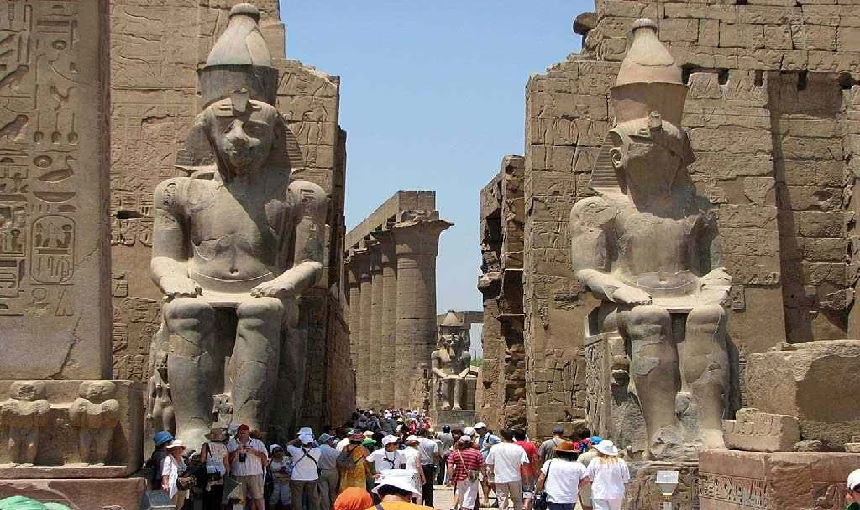
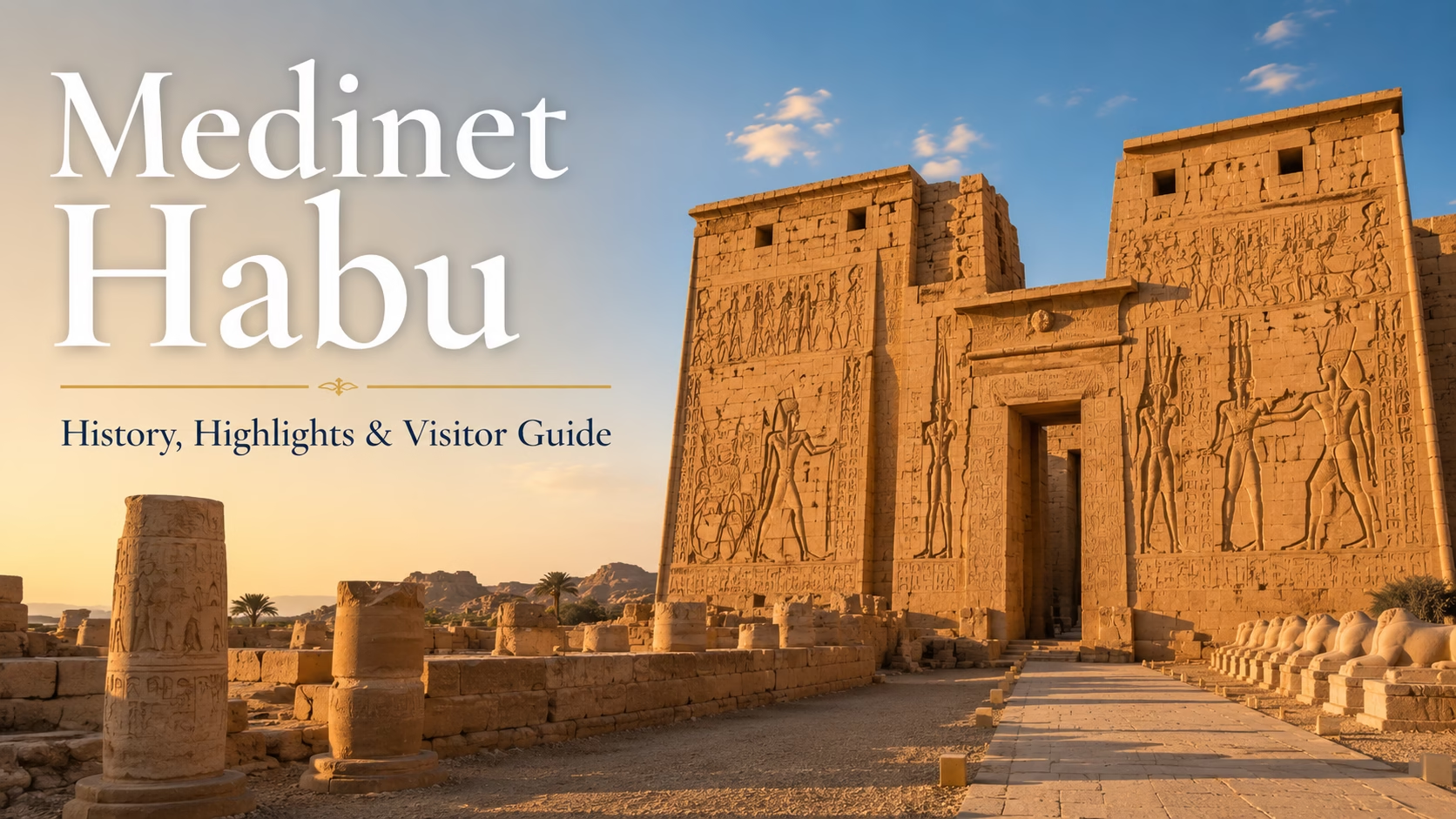
Medinet Habu is one of the most impressive temples on the West Bank of Luxor. Built mainly for Pharaoh Ramses III, this large mortuary temple is famous for its preserved walls, huge pylons, colorful details, battle reliefs, and peaceful atmosphere.
Many travelers visit the Valley of the Kings and the Temple of Hatshepsut during a Nile cruise, but they sometimes miss Medinet Habu. That is a shame because Medinet Habu offers one of the best ways to understand New Kingdom royal temples in Luxor without the heavy crowds found at more famous stops.
This guide explains the history of Medinet Habu, what to see, how long to spend, visitor tips, and how to add it to your Luxor to Aswan Nile Cruise itinerary.
“Not sure which cruise to choose? Tell us your dates and budget.”
Quick Answer: What Is Medinet Habu?
Ramses III built Medinet Habu as his mortuary temple on the West Bank of Luxor. Priests used the temple for royal funerary rituals and the worship of the god Amun. Today, visitors know Medinet Habu for its strong preservation, monumental architecture, and detailed reliefs.
| Location | West Bank of Luxor, Egypt |
| Built For | Pharaoh Ramses III |
| Period | New Kingdom, 20th Dynasty |
| Best Known For | Battle reliefs, large pylons, preserved walls, temple courts |
| Suggested Visit Time | 1 to 2 hours |
| Best Combined With | Valley of the Kings, Hatshepsut Temple, Colossi of Memnon, Ramesseum |
Why Is Medinet Habu Important?
Medinet Habu is important because it is one of the best-preserved mortuary temples in Luxor. It shows how New Kingdom kings used architecture, religion, reliefs, and inscriptions to present royal power.
Ramses III, one of the major kings of the 20th Dynasty, built the temple for his funerary cult and ceremonies connected with Amun. Its layout follows Egyptian temple traditions and reflects the influence of the earlier Ramesseum of Ramses II.
The site is also part of the wider ancient Thebes landscape, which includes Karnak, Luxor Temple, the Valley of the Kings, the Ramesseum, and other West Bank monuments.
Who Was Ramses III?
Ramses III was one of the last great pharaohs of the New Kingdom. He led military campaigns, built major temples, and defended Egypt during a difficult period of regional change.
At Medinet Habu, he presented himself as a powerful ruler protected by the gods. The temple reliefs show scenes of warfare, offerings, religious processions, and royal rituals.
For visitors, Medinet Habu is one of the best places to see how a pharaoh used temple walls as a message of power, order, and divine protection.
What Can You See at Medinet Habu?
Medinet Habu is large and rewarding to explore. Unlike a quick photo stop, this temple deserves time. You can walk through gates, courts, columns, side rooms, and decorated walls.
Main highlights include:
- The fortified entrance gate
- The first pylon with large relief scenes
- Open courts with columns and royal images
- Battle reliefs connected with Ramses III
- Scenes of offerings to gods
- Traces of ancient color on walls and ceilings
- Quiet corners for photography and close study
Because Medinet Habu still preserves many of its original surfaces, travelers can clearly enjoy its relief carvings, inscriptions, temple design, and photography opportunities.
The Battle Reliefs at Medinet Habu
Medinet Habu’s battle reliefs are among its most famous features. These scenes show Ramses III defeating enemies and defending Egypt. The artists designed them to present the king as the protector of order against chaos.
Ancient Egyptian temple reliefs were not simply decoration. They were political, religious, and symbolic messages. At Medinet Habu, the battle scenes present Ramses III as a victorious ruler supported by the gods.
Your guide can help you understand which scenes are historical, symbolic, or religious in meaning. Without explanation, it is easy to walk past them without realizing their importance.
Medinet Habu Architecture
The temple has a strong and impressive layout. Its high walls and entrance give it a fortress-like appearance, which makes it feel different from many other temples in Luxor.
Inside, the temple follows a traditional sequence of spaces: entrance gate, pylons, courts, columned halls, and sacred inner areas. As you move deeper into the temple, the spaces become more restricted and sacred.
This movement from public to sacred space is one of the key ideas in ancient Egyptian temple design.
Best Time to Visit Medinet Habu
The best time to visit Medinet Habu is early morning or late afternoon. Morning visits are cooler, while late afternoon light can make the stone glow beautifully.
Because Medinet Habu is often less crowded than the Valley of the Kings or Hatshepsut Temple, it can feel peaceful even during busy seasons. However, midday heat can still be strong.
Visitor tips:
- Wear comfortable shoes
- Bring water and sun protection
- Allow enough time for reliefs and side chambers
- Visit with a guide for historical explanation
- Look for remaining color on walls and ceilings
- Combine it with nearby West Bank sites
How Long Do You Need at Medinet Habu?
Most visitors should plan 1 to 2 hours for Medinet Habu. A quick visit can be done in 45 minutes, but the temple is much better when explored slowly.
| Visit Style | Suggested Time |
| Quick stop | 45 to 60 minutes |
| Balanced visit | 1 to 2 hours |
| History-focused visit | 2+ hours |
If you are adding Medinet Habu to a busy West Bank tour, make sure the schedule does not feel rushed.
Can You Visit Medinet Habu During a Nile Cruise?
Yes, Medinet Habu can be visited during a Nile cruise, but it is not always included in standard itineraries. Most classic cruise programs include the Valley of the Kings, Hatshepsut Temple, and the Colossi of Memnon. Medinet Habu is often an optional addition.
If you enjoy temples and want a deeper Luxor experience, ask your tour planner to include Medinet Habu. It is especially good for second-time visitors or anyone who wants to avoid only seeing the busiest sites.
Suggested West Bank route with Habu:
- Valley of the Kings
- Temple of Hatshepsut
- Colossi of Memnon
- Medinet Habu
- Optional Ramesseum if time allows
Medinet Habu vs the Ramesseum
Medinet Habu and the Ramesseum are both mortuary temples on the West Bank of Luxor. The Ramesseum was built for Ramses II, while Medinet Habu was built for Ramses III.
If you have time for only one extra West Bank temple, many travelers choose Medinet Habu because it is better preserved. If you are very interested in Ramses II and ancient royal temples, add the Ramesseum as well.
| Temple | Best For |
| Medinet Habu | Preserved walls, reliefs, Ramses III, quieter visit |
| The Ramesseum | Ramses II, ruined grandeur, fallen colossal statue |
Nearby Attractions
- Colossi of Memnon: Giant statues of Amenhotep III
- The Ramesseum: Mortuary temple of Ramses II
- Valley of the Kings: Famous royal tombs
- Temple of Hatshepsut: Terraced temple at Deir el-Bahari
- Valley of the Queens: Tombs of queens and royal children
For more inspiration, see our Top 10 Must-See Sites on a Nile Cruise.
Is Habu Worth Visiting?
Yes, Medinet Habu is absolutely worth visiting, especially if you want a deeper Luxor experience. It is one of the best-preserved temples on the West Bank and offers powerful reliefs, large architecture, and fewer crowds than some major sites.
If your itinerary allows only the most famous stops, you may not have time. But if you can add one extra West Bank temple, Medinet Habu is one of the best choices.
Plan Your Visit With Egypt Nile Cruise Hub
Medinet Habu is a strong addition to a Luxor itinerary and a great way to make your Nile cruise sightseeing more complete.
Start planning here:
Want to include Medinet Habu in your cruise plan? Tell us your travel dates and Egypt Nile Cruise Hub will help you design the right Luxor sightseeing route.
FAQs About Medinet Habu
Medinet Habu is the mortuary temple of Ramses III on the West Bank of Luxor. It is one of the best-preserved temples in ancient Thebes.
Medinet Habu was built mainly by Pharaoh Ramses III of the 20th Dynasty.
Most visitors need around 1 to 2 hours to enjoy the temple properly.
It is not always included in standard Nile cruise sightseeing, but it can often be added as an optional West Bank visit.
“Not sure which cruise to choose? Tell us your dates and budget.”
Not sure which Nile cruise is right for you?
Answer a few quick questions and we will match you with the best ships for your trip.