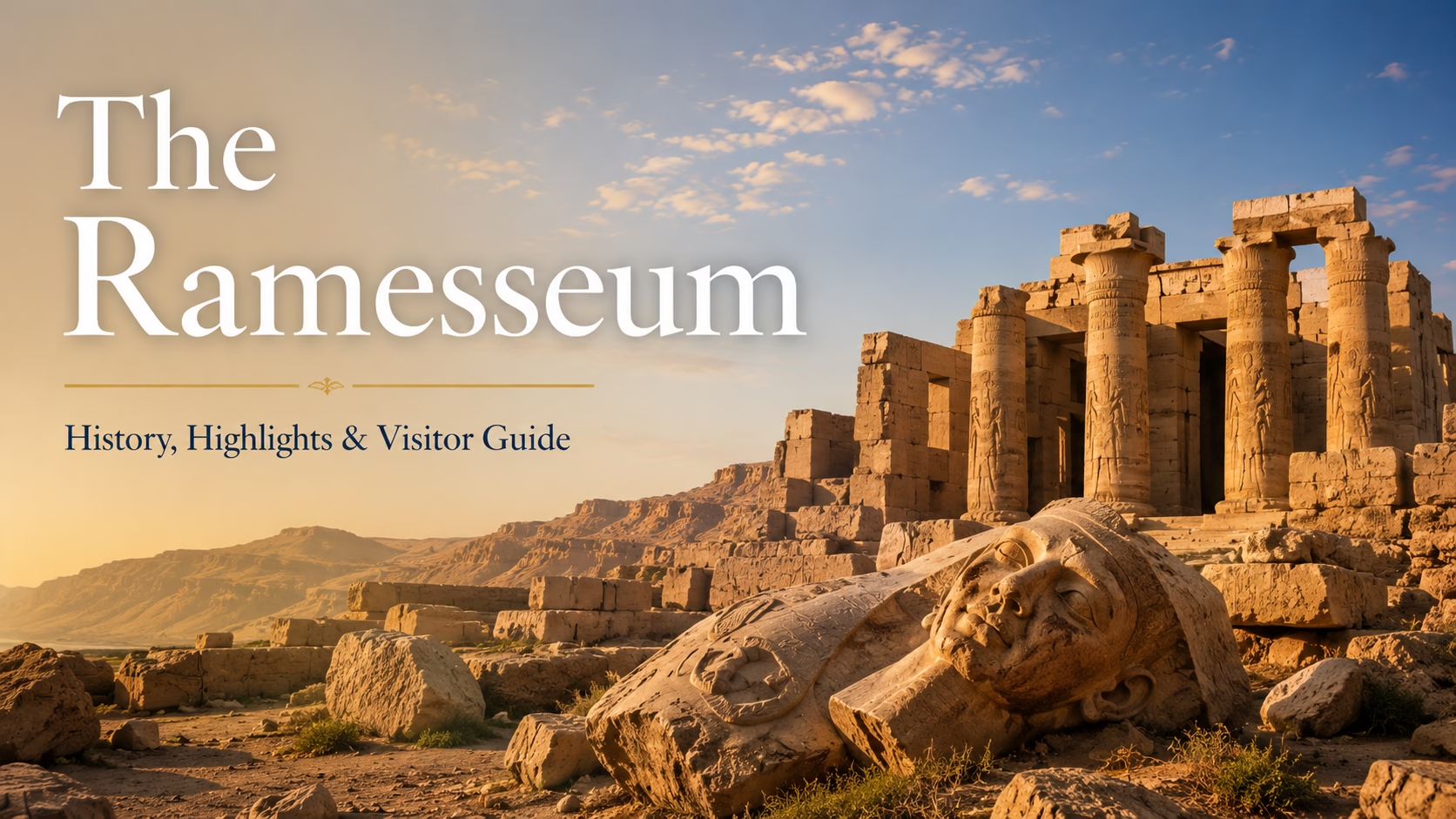
The Ramesseum is the mortuary temple of Pharaoh Ramses II on the West Bank of Luxor. Although partly ruined today, it remains one of the most atmospheric ancient sites in Thebes, with massive columns, reliefs, fallen statues, and powerful connections to one of Egypt’s most famous kings.
For travelers taking a Nile cruise in Egypt, the Ramesseum is often an optional addition to a West Bank tour. It is less crowded than the Valley of the Kings and the Temple of Hatshepsut, but it offers a deeper look at royal memory, temple architecture, and the legacy of Ramses the Great.
This guide explains what the Ramesseum is, what to see, how long to spend, visitor tips, and how to add it to a Luxor to Aswan Nile Cruise itinerary.
“Not sure which cruise to choose? Tell us your dates and budget.”
Quick Answer: What Is the Ramesseum?
The Ramesseum is the mortuary temple of Ramses II, also known as Ramses the Great. It stands on the West Bank of Luxor in the Theban Necropolis and was built for royal rituals, divine worship, and the king’s memory after death.
| Location | West Bank of Luxor, Egypt |
| Built For | Pharaoh Ramses II |
| Period | New Kingdom, 19th Dynasty |
| Best Known For | Fallen colossal statue, columns, Battle of Kadesh reliefs, ruined grandeur |
| Suggested Visit Time | 45 minutes to 1.5 hours |
| Best Combined With | Colossi of Memnon, Medinet Habu, Valley of the Kings, Hatshepsut Temple |
Why Is the Ramesseum Important?
The Ramesseum is important because it was built for Ramses II, one of the most famous and powerful pharaohs of ancient Egypt. Ramses II ruled for decades, built monuments across Egypt and Nubia, and left a strong royal image that still shapes how many travelers imagine ancient Egypt.
The Ramesseum was his “temple of millions of years,” a type of royal mortuary temple designed to maintain the king’s cult and memory after death. Its walls showed religious ceremonies, royal victories, and the king’s relationship with the gods.
Although time has damaged much of the temple, the ruins still reveal its original ambition and scale.
Who Was Ramses II?
Ramses II, often called Ramses the Great, was one of the most celebrated kings of ancient Egypt. He is famous for his long reign, military campaigns, building projects, and monuments such as Abu Simbel, parts of Karnak and Luxor, and the Ramesseum.
He used architecture and inscriptions to present himself as a victorious, divine, and eternal ruler. At the Ramesseum, that message is still visible in reliefs, columns, and the remains of colossal statues.
If your Egypt trip includes Abu Simbel Temples, the Ramesseum adds another important chapter to the story of Ramses II.
What Can You See at the Ramesseum?
The Ramesseum is a site of ruined grandeur. It does not feel as complete as Medinet Habu, but that is part of its atmosphere. Broken statues, open courts, stone blocks, and surviving columns create a powerful sense of age and scale.
Main highlights include:
- The remains of the first and second pylons
- Reliefs showing Ramses II and battle scenes
- The famous fallen colossal statue of Ramses II
- Columned halls and temple courts
- Scenes connected with religious ceremonies
- Views toward the Theban hills
- A quieter West Bank atmosphere
The fallen statue is one of the most memorable features. It helps visitors imagine the enormous scale of the temple when it was complete.
The Fallen Statue of Ramses II
The Ramesseum is famous for the remains of a colossal statue of Ramses II. The statue was once enormous and stood as a symbol of royal power. Today, its fallen fragments are one of the most photographed parts of the site.
Ancient Egyptian kings used colossal statues to show their divine strength and eternal presence. Even in ruins, the statue at the Ramesseum still communicates that message.
When you stand near the fragments, it is easier to understand why the temple impressed ancient visitors and later travelers.
The Battle of Kadesh Reliefs
The walls of the Ramesseum include reliefs connected with the Battle of Kadesh, one of the most famous military episodes of Ramses II’s reign. These scenes present the king as a heroic warrior and defender of Egypt.
Like other royal battle scenes in Egyptian temples, the reliefs are both historical and symbolic. They show the king restoring order and defeating chaos, a central idea in ancient Egyptian kingship.
A guide can help you identify the most important details and understand how the story was used as royal propaganda.
Best Time to Visit the Ramesseum
The best time to visit the Ramesseum is early morning or late afternoon. The site is open and sunny, so midday heat can be uncomfortable, especially in summer.
Late afternoon is especially beautiful for photography because the warm light makes the columns and stone blocks glow. Morning is better if you are combining the site with several other West Bank stops.
Simple visitor tips:
- Wear comfortable walking shoes
- Bring water and sun protection
- Visit with a guide if possible
- Look closely at the fallen statue fragments
- Combine it with Medinet Habu for a deeper temple day
- Do not rush the site; its atmosphere is part of the experience
How Long Do You Need at the Ramesseum?
Most visitors need around 45 minutes to 1.5 hours at the Ramesseum. A quick visit can cover the main highlights, but history lovers may want more time for reliefs, photography, and quiet exploration.
| Visit Style | Suggested Time |
| Quick stop | 30 to 45 minutes |
| Balanced visit | 45 minutes to 1.5 hours |
| History-focused visit | 1.5+ hours |
If you are visiting both the Ramesseum and Medinet Habu, allow enough time so the temples do not blend together too quickly.
Can You Visit the Ramesseum During a Nile Cruise?
Yes, the Ramesseum can be added to a Nile cruise itinerary, but it is not always included in standard sightseeing. Most classic cruise programs focus on the Valley of the Kings, Hatshepsut Temple, and the Colossi of Memnon.
If you are especially interested in Ramses II, temple architecture, or quieter West Bank sites, ask to add the Ramesseum as an optional stop.
Suggested West Bank route with the Ramesseum:
- Valley of the Kings
- Temple of Hatshepsut
- Colossi of Memnon
- The Ramesseum
- Optional Medinet Habu if time allows
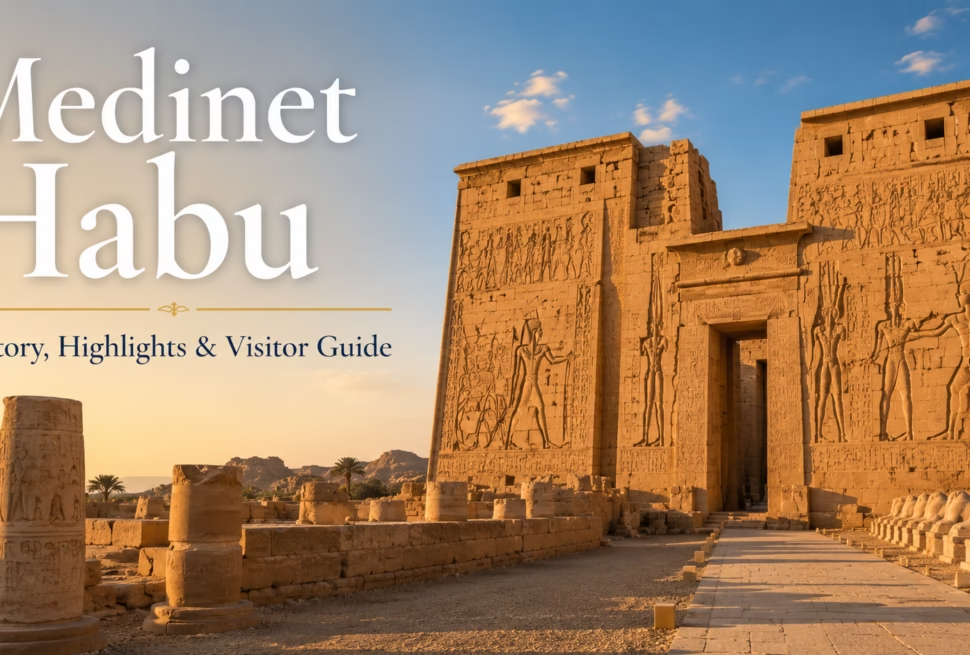
The Ramesseum vs Medinet Habu
The Ramesseum and Medinet Habu are both royal mortuary temples on Luxor’s West Bank. Ramesseum belonged to Ramses II, while Medinet Habu belonged mainly to Ramses III.
Medinet Habu is better preserved and often easier for first-time visitors to understand. The Ramesseum feels more ruined, but it has a special atmosphere and a direct connection with Ramses the Great.
| Site | Best For |
| The Ramesseum | Ramses II, fallen statue, ruined grandeur, quieter atmosphere |
| Medinet Habu | Preserved reliefs, Ramses III, large walls, clearer layout |
If you have time, visit both. Together, they explain the development of New Kingdom royal mortuary temples.
Nearby Attractions
- Colossi of Memnon: Giant statues of Amenhotep III
- Medinet Habu: Well-preserved temple of Ramses III
- Valley of the Kings: Royal tombs of New Kingdom pharaohs
- Temple of Hatshepsut: Terraced temple at Deir el-Bahari
- Deir el-Medina: Village of the workers who built the royal tombs
For a broader overview, read our Top 10 Must-See Sites on a Nile Cruise.
Is the Ramesseum Worth Visiting?
Yes, the Ramesseum is worth visiting if you are interested in Ramses II, ancient Egyptian temples, ruined monuments, and quieter archaeological sites. It may not be as complete as Medinet Habu, but it is deeply atmospheric and historically important.
If your Luxor schedule is very short, focus first on the Valley of the Kings, Karnak, Luxor Temple, and Hatshepsut Temple. If you have extra time, the Ramesseum is an excellent addition.
Plan Your Ramesseum Visit With Egypt Nile Cruise Hub
The Ramesseum is a rewarding stop for travelers who want to go deeper into Luxor’s West Bank. It works well as an optional addition to a Nile cruise itinerary or as part of a private Luxor sightseeing day.
Start planning here:
Want to include the Ramesseum in your Luxor sightseeing? Tell us your travel dates and Egypt Nile Cruise Hub will help you build the right itinerary.
FAQs About the Ramesseum
The Ramesseum is the mortuary temple of Pharaoh Ramses II on the West Bank of Luxor.
The Ramesseum was built for Ramses II, also known as Ramses the Great, during Egypt’s New Kingdom.
Most visitors need around 45 minutes to 1.5 hours.
It is not always included in standard Nile cruise programs, but it can often be added as an optional West Bank visit.
Yes, especially for travelers interested in Ramses II, ancient temple architecture, and quieter Luxor sites.
“Not sure which cruise to choose? Tell us your dates and budget.”
Not sure which Nile cruise is right for you?
Answer a few quick questions and we will match you with the best ships for your trip.