Last updated: June 2026
Traveling to Egypt is not like planning a normal beach holiday or a quick city break. Egypt is ancient, busy, emotional, beautiful, and sometimes confusing for first-time visitors. One day you may stand in front of the Pyramids of Giza. A few days later, you may sail the Nile between Luxor and Aswan, watching temples, villages, palm trees, and desert cliffs pass slowly beside your cruise ship.
That is what makes Egypt special.
But it also means your trip needs a little planning. You need to know when to go, how many days to spend, what visa you may need, how to move between cities, what to wear, how much cash to carry, and whether a Nile cruise should be part of your route.
This guide will help you plan your first trip to Egypt with more confidence. You will learn the best places to visit, the best time to travel, practical safety tips, common mistakes to avoid, and how to include a Nile cruise in your itinerary.
Quick Traveling to Egypt Summary
| Topic | Quick Answer |
|---|---|
| Best time to visit Egypt | October to April is usually the most comfortable time for sightseeing. |
| Best first-time route | Cairo, Giza, Luxor, Aswan, and a Nile cruise. |
| Ideal trip length | 7 to 10 days for a strong first visit. |
| Visa | Many travelers need a tourist visa, e-Visa, or visa on arrival. Always check official rules before travel. |
| Passport | Your passport should usually be valid for at least 6 months. |
| Best Nile cruise route | Luxor to Aswan or Aswan to Luxor. |
| Best for history lovers | Cairo, Giza, Luxor, Aswan, Abu Simbel. |
| Best for beaches | Hurghada, Sharm El-Sheikh, Marsa Alam. |
| Local currency | Egyptian Pound. Carry small cash for tips and small purchases. |
| Main travel style | A mix of guided tours, private transfers, domestic flights, trains, and Nile cruises. |
Is Egypt Worth Visiting?
Yes, Egypt is absolutely worth visiting if you enjoy history, culture, ancient monuments, river views, desert landscapes, and once-in-a-lifetime sightseeing.
Few countries offer so many famous places in one trip. In Egypt, you can visit the Pyramids of Giza, the Great Sphinx, the Grand Egyptian Museum, the Valley of the Kings, Karnak Temples, Luxor Temple, Philae Temple, Abu Simbel, and the Nile River.
For many travelers, Egypt is not only a destination. It is a bucket-list journey.
The best part is that Egypt can work for many travel styles. You can plan a short Cairo trip, a classic 7-day Cairo and Nile cruise itinerary, a luxury Egypt tour, a family holiday, a honeymoon, or a longer route that adds the Red Sea.
Egypt is especially strong for travelers who want a guided cultural trip. Many sites are large, ancient, and full of stories. A good guide can make a big difference, especially in Luxor, Aswan, and Cairo.
Who This Traveling to Egypt Travel Guide Is For
This guide is for first-time visitors who want a practical Egypt travel plan. It is also useful if you are comparing Nile cruises, building an Egypt itinerary, or trying to understand how Cairo, Luxor, Aswan, and Abu Simbel fit together.
This guide is especially helpful if you are asking questions like:
- How many days do I need in Egypt?
- Is Egypt safe for tourists?
- Do I need a visa for Egypt?
- What is the best month to visit Egypt?
- Should I take a Nile cruise?
- Is Luxor or Aswan better?
- What should I wear in Egypt?
- How much money should I bring?
- Can I visit Egypt without a tour guide?
- What mistakes should I avoid?
Egypt Entry Requirements and Visa Rules
Most travelers need some form of visa to enter Egypt. Depending on your nationality and arrival airport, this may be an e-Visa, a visa on arrival, or a visa arranged before travel.
Rules can change, so always check official government sources before your trip. Do not rely only on social media posts, old blog articles, or travel forum comments.
Basic Entry Checklist
Before traveling to Egypt, prepare:
| Requirement | What to Know |
|---|---|
| Passport | Usually must be valid for at least 6 months. |
| Blank page | Keep at least one blank visa/stamp page. |
| Visa | Many travelers need a tourist visa, e-Visa, or visa on arrival. |
| Printed documents | Carry hotel booking, itinerary, cruise details, and e-Visa printout if used. |
| Cash | If using visa on arrival, carry USD cash where required. |
| Travel insurance | Strongly recommended. |
| Medication documents | Carry prescriptions for personal medicine. |
| Drone warning | Do not bring a drone unless you have proper permission. |
Egypt e-Visa
Egypt has an official e-Visa system for eligible nationalities. The tourist e-Visa is usually available as single entry or multiple entry.
The e-Visa can be useful because it allows you to arrange your visa before arrival. This may reduce airport stress, especially if you are arriving after a long flight or traveling with family.
You should apply only through the official Egypt e-Visa portal or trusted official channels. Be careful with third-party websites that charge extra fees.
Visa on Arrival
Many travelers can also get a tourist visa on arrival at approved Egyptian airports. This is often paid in USD cash before immigration.
Visa-on-arrival rules depend on nationality, airport, and travel situation. Bring exact cash if this option applies to you. Also remember that having a visa does not always guarantee entry. Final entry decisions are made by border authorities.
South Sinai and Sharm El-Sheikh Entry Note
Some travelers arriving at Sharm El-Sheikh and staying only in certain South Sinai resort areas for a short period may receive a free entry permission stamp. But if you plan to travel outside those resort areas, visit Cairo, see the Pyramids, take a Nile cruise, or go to Luxor or Aswan, you will need the correct Egypt visa.
For a full Egypt trip, do not rely on a resort-only entry stamp.
Best Time for Traveling to Egypt
The best time to travel to Egypt is usually from October to April. The weather is cooler, which makes sightseeing more comfortable in Cairo, Giza, Luxor, Aswan, and Abu Simbel.
Egypt can be very hot in summer, especially in Upper Egypt. Luxor and Aswan can feel extremely intense from May to September. You can still travel during summer, but you need early starts, sun protection, air-conditioned transport, and a slower pace.
Egypt Travel Seasons
| Season | Months | Best For | What to Expect |
|---|---|---|---|
| Peak season | December to February | Sightseeing, Nile cruises, families | Cooler weather, higher prices, more crowds |
| Shoulder season | October, November, March, April | Best balance | Warm days, good sightseeing, strong cruise season |
| Hot season | May to September | Lower prices, Red Sea, fewer crowds at some sites | Very hot in Luxor and Aswan |
| Ramadan period | Dates change each year | Cultural experience | Some schedule changes, slower daytime pace |
Best Month for a Nile Cruise
For most travelers, the best months for a Nile cruise are October, November, February, March, and April. The weather is warm but usually manageable, and sightseeing stops are more comfortable.
December and January are also excellent, but they can be busier and more expensive.
If you choose a summer Nile cruise, plan temple visits very early in the morning and rest during the hottest part of the day.
Is Egypt Safe for Tourists?
Many tourists visit Egypt every year and enjoy safe, well-planned trips. Popular tourism routes such as Cairo, Giza, Luxor, Aswan, Abu Simbel, and major Red Sea resorts are commonly visited by international travelers.
Still, safety should be taken seriously. Egypt is a large country, and some border, desert, and regional areas may have travel restrictions or higher risks. Always check current travel advice from your government before booking and again before departure.
Practical Safety Tips for Egypt
Use these simple rules:
- Book airport transfers in advance.
- Use licensed guides and trusted tour operators.
- Keep a copy of your passport and visa.
- Keep your original passport secure.
- Avoid political demonstrations and large public gatherings.
- Do not photograph military buildings, police stations, or sensitive sites.
- Do not bring a drone without official permission.
- Use hotel safes for extra cash and passports.
- Be careful with street scams around major tourist sites.
- Agree on prices before camel rides, taxis, or market purchases.
- Use bottled water.
- Keep emergency contacts saved on your phone.
- Check current travel advisories before visiting remote desert or border areas.
Common Tourist Scams to Watch For
Egypt is welcoming, but tourist areas can have pushy sellers and small scams. This is common in many high-tourism destinations.
Watch for:
- “Free gift” offers that turn into payment requests.
- Unofficial guides at entrances.
- Camel or horse rides with unclear pricing.
- Taxi fares agreed verbally but changed later.
- People saying a site is closed when it is not.
- Shops presented as “government-approved” when they may not be.
- Extra charges for photos or small services.
The best way to avoid problems is simple: book trusted services, agree on prices first, and say no politely but firmly when needed.
Best Places to Visit While Traveling to Egypt
Egypt has many places worth visiting, but first-time travelers should focus on the classic route: Cairo and Giza, then Luxor and Aswan, often connected by a Nile cruise.
Cairo
Cairo is Egypt’s capital and the usual starting point for international travelers. It is busy, loud, historic, and full of energy.
Top things to do in Cairo include:
- Visit the Egyptian Museum or Grand Egyptian Museum.
- Explore Islamic Cairo.
- Walk through Khan El Khalili Bazaar.
- Visit Coptic Cairo.
- Take a Nile dinner cruise.
- Try local food such as koshari, ful, falafel, grilled meats, and fresh juices.
Cairo is also the best base for visiting Giza, Saqqara, and Memphis.
Giza and the Pyramids
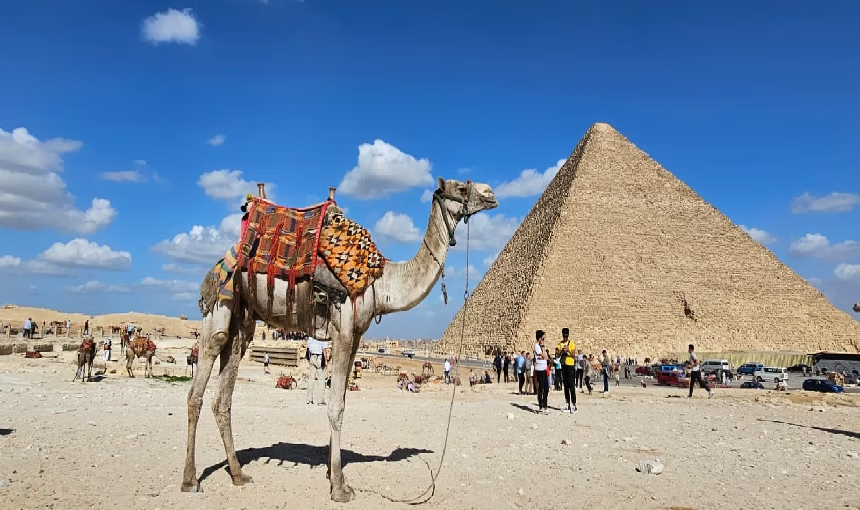
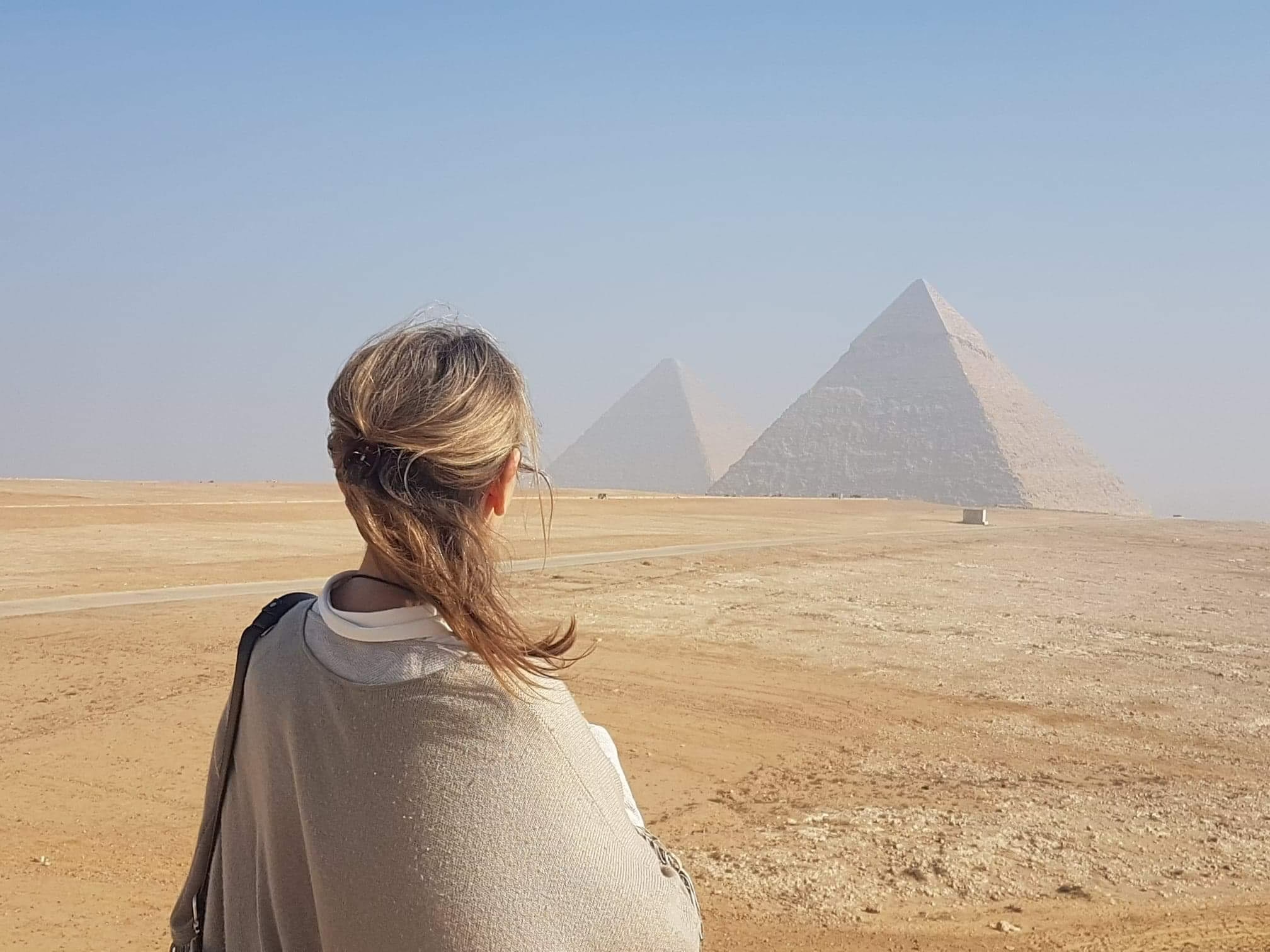
The Pyramids of Giza are the most famous attraction in Egypt. The Giza Plateau includes the Great Pyramid, the Pyramid of Khafre, the Pyramid of Menkaure, and the Great Sphinx.
For a better visit, go early in the morning if possible. The area can get hot and crowded later in the day. A guide can help explain the history and protect you from some pressure around rides and sellers.
Do not rush Giza. Many travelers make the mistake of treating it as a quick photo stop. Give yourself enough time to walk, take photos, visit viewpoints, and understand what you are seeing.
Saqqara and Memphis
Saqqara is one of Egypt’s most important ancient sites. It is home to the Step Pyramid of Djoser, one of the earliest large stone monuments in the world.
Memphis was an ancient capital of Egypt. It is often visited together with Saqqara and Dahshur.
If you have a full day in Cairo, consider a route that includes Giza, Saqqara, Memphis, and Dahshur. This gives you a deeper pyramid story beyond only the famous Giza view.
Luxor
Luxor is one of the most important cities for ancient Egyptian history. Many travelers see Luxor as the highlight of their Egypt trip.
Luxor is divided by the Nile into the East Bank and West Bank.
The East Bank includes:
- Karnak Temples
- Luxor Temple
- Nile Corniche
- Hotels, restaurants, and cruise docks
The West Bank includes:
- Valley of the Kings
- Temple of Hatshepsut
- Colossi of Memnon
- Valley of the Queens
- Medinet Habu
- Tombs of the Nobles
Luxor is also one of the main starting or ending points for Nile cruises.
Aswan
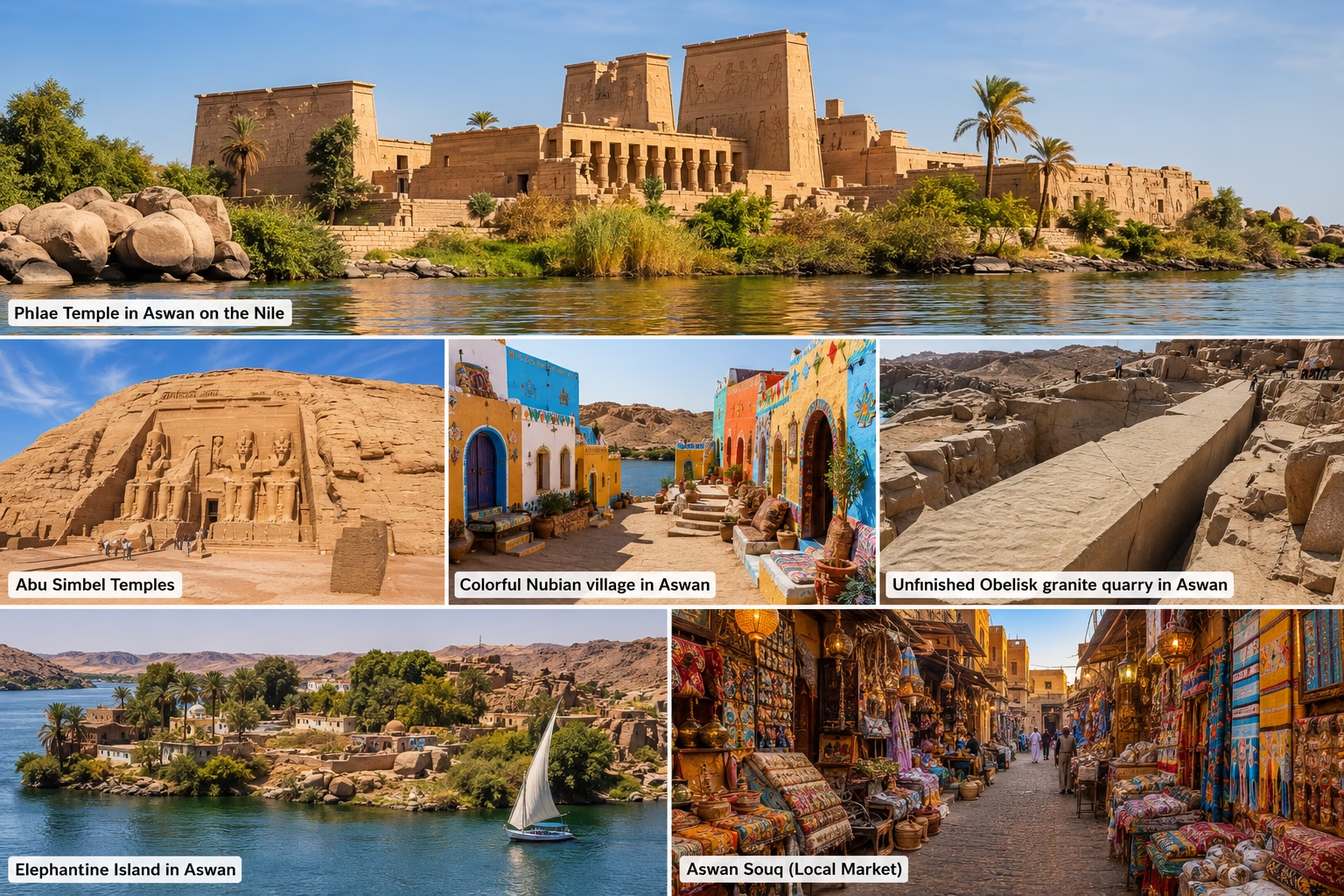
Aswan is calmer than Cairo and Luxor. It has a beautiful Nile setting, Nubian culture, islands, colorful villages, and peaceful views.
Top things to do in Aswan include:
- Visit Philae Temple.
- See the High Dam.
- Visit a Nubian village.
- Take a felucca ride.
- Visit the Unfinished Obelisk.
- Use Aswan as a base for Abu Simbel.
- Start or end a Nile cruise.
Aswan is a good place to slow down. If your Egypt itinerary feels too busy, add one relaxed night in Aswan.
Don’t Miss Checking our Egypt Nile Cruises…
Abu Simbel
Abu Simbel is one of the most impressive temple sites in Egypt. It is located far south near Lake Nasser and is often visited as a day trip from Aswan.
The journey usually starts very early in the morning. It can be long, but many travelers feel it is worth it.
You can visit Abu Simbel by road, flight, or as part of some Lake Nasser cruise itineraries.
Edfu and Kom Ombo
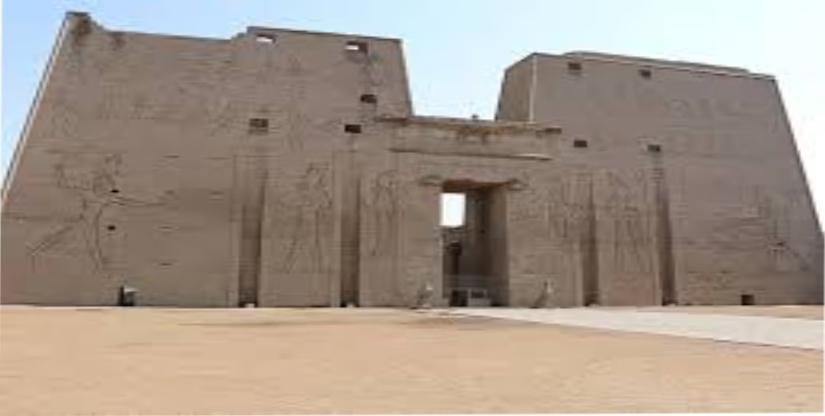
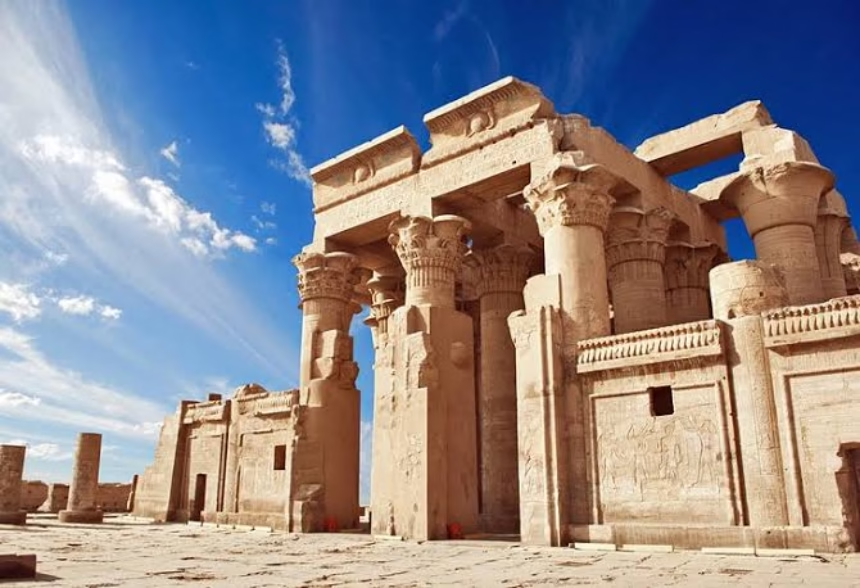
Edfu and Kom Ombo are two important temple stops between Luxor and Aswan. Many travelers visit them during a Nile cruise.
Edfu Temple is dedicated to Horus and is one of the best-preserved temples in Egypt. Kom Ombo Temple is unusual because it is dedicated to two gods: Sobek and Horus.
These stops are one reason a Nile cruise works so well. Instead of only traveling from city to city, you visit temples along the river route.
Alexandria
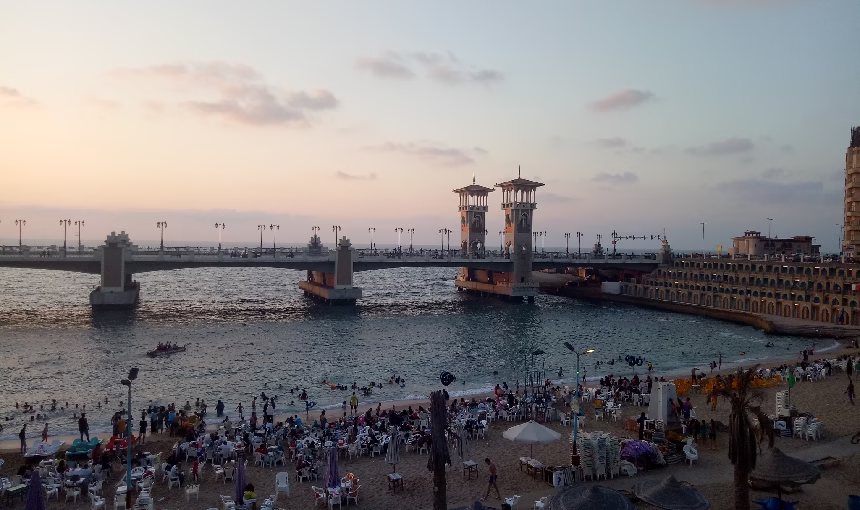
Alexandria is a Mediterranean city with a different mood from Cairo, Luxor, and Aswan. It is often visited as a day trip or overnight trip from Cairo.
Top places include:
- Bibliotheca Alexandrina
- Qaitbay Citadel
- Catacombs of Kom El Shoqafa
- Montaza Palace gardens
- Corniche sea views
Alexandria is not always included in short Egypt trips. Add it if you have 10 days or more, or if you enjoy coastal cities and Greek-Roman history.
You can also check the Best Nile cruises in Egypt…
Red Sea Resorts
If you want beaches, snorkeling, diving, or a relaxed end to your trip, add the Red Sea.
Popular Red Sea destinations include:
- Hurghada
- Sharm El-Sheikh
- Marsa Alam
- Dahab
- El Gouna
The Red Sea works well after a busy cultural itinerary. Many travelers visit Cairo, take a Nile cruise, then relax by the sea for a few days.
Best Egypt Itinerary for First-Time Visitors
Your perfect Egypt itinerary depends on your time, budget, travel speed, and interest in history. But for most first-time visitors, the strongest route includes Cairo, Giza, Luxor, Aswan, and a Nile cruise.
3 Days in Egypt
A 3-day Egypt trip is short. Focus on Cairo and Giza only.
| Day | Plan |
|---|---|
| Day 1 | Arrive in Cairo, visit Egyptian Museum or Grand Egyptian Museum |
| Day 2 | Giza Pyramids, Sphinx, Saqqara, Memphis |
| Day 3 | Islamic Cairo, Khan El Khalili, departure |
Best for: short stopovers, business travelers, quick first visit.
Not ideal for: Nile cruise travelers, Luxor, Aswan, Abu Simbel.
“Not sure which cruise to choose? Tell us your dates and budget.”
5 Days in Egypt
With 5 days, you can visit Cairo and Luxor.
| Day | Plan |
|---|---|
| Day 1 | Arrive in Cairo |
| Day 2 | Giza Pyramids, Sphinx, museum |
| Day 3 | Fly to Luxor, visit Karnak and Luxor Temple |
| Day 4 | Valley of the Kings, Hatshepsut Temple, West Bank |
| Day 5 | Return to Cairo or depart from Luxor |
Best for: travelers who want pyramids and temples but do not have enough time for a cruise.
7 Days in Egypt With Nile Cruise
A 7-day Egypt itinerary is one of the best options for first-time visitors.
| Day | Plan |
|---|---|
| Day 1 | Arrive in Cairo |
| Day 2 | Giza Pyramids, Sphinx, museum |
| Day 3 | Fly to Luxor, visit East Bank, board Nile cruise |
| Day 4 | Luxor West Bank, sail |
| Day 5 | Edfu and Kom Ombo |
| Day 6 | Aswan, Philae Temple, felucca or Nubian village |
| Day 7 | Optional Abu Simbel, departure or return to Cairo |
Best for: first-time travelers who want the classic Egypt experience.
10 Days in Egypt
A 10-day Egypt itinerary gives you a better pace.
| Day | Plan |
|---|---|
| Day 1 | Arrive in Cairo |
| Day 2 | Giza, Sphinx, Grand Egyptian Museum |
| Day 3 | Saqqara, Memphis, Dahshur, Islamic Cairo |
| Day 4 | Fly to Luxor, visit Karnak and Luxor Temple |
| Day 5 | Luxor West Bank |
| Day 6 | Nile cruise, Edfu |
| Day 7 | Kom Ombo, sail to Aswan |
| Day 8 | Aswan, Philae, Nubian village |
| Day 9 | Abu Simbel |
| Day 10 | Return to Cairo or depart |
Best for: travelers who want history, Nile cruising, and less rushing.
12 to 14 Days in Egypt
With 12 to 14 days, you can add Alexandria or the Red Sea.
Possible route:
- Cairo and Giza: 3 days
- Nile cruise from Luxor to Aswan: 4 or 5 days
- Abu Simbel and Aswan: 1 day
- Red Sea resort: 3 to 4 days
- Alexandria or extra Cairo: 1 to 2 days
Best for: families, honeymooners, slower travelers, luxury trips, or travelers flying long distance.
Should You Take a Nile Cruise in Egypt?
Yes, a Nile cruise is one of the best ways to experience Egypt, especially for first-time visitors.
A Nile cruise connects Luxor and Aswan while allowing you to visit ancient temples along the route. You unpack once, sleep on board, enjoy river views, and stop at important sites such as Edfu and Kom Ombo.
For many travelers, the Nile cruise becomes the most memorable part of the trip.
Why a Nile Cruise Makes Sense
A Nile cruise is helpful because:
- It connects Luxor and Aswan smoothly.
- It reduces hotel changes.
- It includes scenic river travel.
- It often includes guided temple visits.
- It makes the route feel relaxed.
- It helps first-time visitors understand Upper Egypt.
- It combines comfort, sightseeing, and history.
Instead of only moving by road or train, you experience Egypt from the river that shaped its history.
Main Nile Cruise Routes
| Route | Typical Length | Best For |
|---|---|---|
| Luxor to Aswan | 4 nights / 5 days | Classic first-time route |
| Aswan to Luxor | 3 nights / 4 days | Shorter cruise option |
| Luxor round trip | 7 nights | Slower sightseeing |
| Lake Nasser cruise | 4 or 5 days | Abu Simbel and quieter sites |
| Dahabiya cruise | 4 to 7 nights | Boutique, slower, more intimate travel |
Luxor to Aswan Nile Cruise
This is the classic Nile cruise route. It usually starts in Luxor and ends in Aswan.
It often includes:
- Karnak Temple
- Luxor Temple
- Valley of the Kings
- Temple of Hatshepsut
- Edfu Temple
- Kom Ombo Temple
- Philae Temple
- Aswan High Dam
- Optional Abu Simbel
This route is ideal if you want a complete Upper Egypt experience.
“Not sure which cruise to choose? Tell us your dates and budget.”
Aswan to Luxor Nile Cruise
The Aswan to Luxor cruise is usually shorter. It often takes 3 nights and 4 days.
This route works well if your schedule is limited or if your flights connect better through Aswan.
You still see many important sites, but the pace can feel faster.
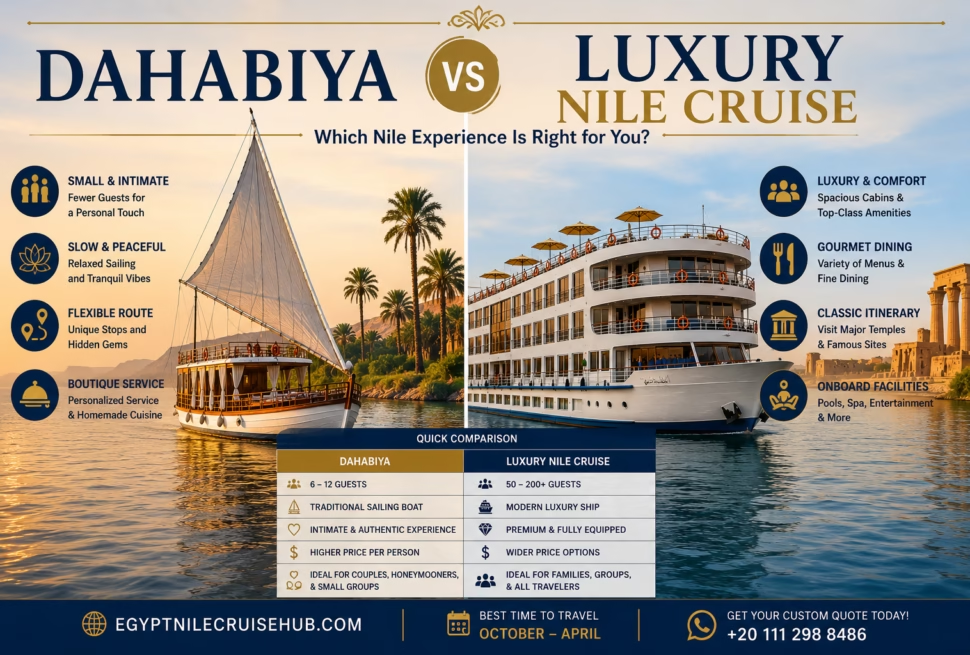
Dahabiya Nile Cruise
A dahabiya is a smaller sailing-style Nile cruise boat. It usually feels quieter, more private, and more boutique than a large cruise ship.
Choose a dahabiya if you want:
- A slower pace
- Smaller groups
- More peaceful sailing
- A more traditional river feeling
- Less crowded stops when possible
Dahabiya cruises often cost more than standard cruises, but many travelers love the experience.
Lake Nasser Cruise
A Lake Nasser cruise is different from the classic Luxor-Aswan Nile cruise. It focuses on southern sites near Lake Nasser and Abu Simbel.
This is better for travelers who have already done the classic route or who want a quieter, more unusual Egypt experience.
Standard, Deluxe, Luxury, or Ultra-Luxury Nile Cruise?
Nile cruises vary a lot. Do not choose only by price.
Compare:
- Cabin size
- Boat age and condition
- Food quality
- Guide quality
- Included sightseeing
- Entrance fees
- Group size
- Cruise route
- Reviews
- Deck and pool areas
- Abu Simbel option
- Transfer arrangements
A very cheap cruise may not include the service level or guide quality you expect. A luxury cruise may offer better comfort, but you still need to check what is included.
How Much Does It Cost to Travel to Egypt?
Egypt can be budget-friendly, mid-range, or luxury depending on how you travel.
Your total cost depends on:
- Travel season
- Hotel category
- Private vs group tours
- Domestic flights
- Nile cruise class
- Entrance fees
- Abu Simbel visit
- Guide quality
- Transfers
- Meal choices
- Tipping
Daily Budget Guide
| Travel Style | Estimated Daily Budget Per Person | What It Usually Includes |
|---|---|---|
| Budget | $40 to $80+ | Basic hotels, local meals, limited guided tours |
| Mid-range | $100 to $250+ | Good hotels, private transfers, some guided tours |
| Comfort/Luxury | $250 to $600+ | Better hotels, quality cruise, private guide, flights |
| High-end luxury | $600+ | Premium hotels, ultra-luxury cruise, private service |
These are general planning ranges, not fixed prices. Egypt travel costs change by season, city, cruise level, and booking style.
Costs People Forget
Many travelers forget to budget for:
- Tips for guides and drivers
- Tips for cruise staff
- Temple and museum entrance fees
- Optional tomb tickets
- Abu Simbel excursion
- Airport transfers
- Domestic flights
- Bottled water
- Laundry
- Camera or photo permissions where required
- Early check-in or late checkout
- Small cash purchases
Should You Carry Cash in Egypt?
Yes, carry some cash. Cards are accepted in many hotels, larger restaurants, and tourism businesses, but small cash is useful every day.
You may need cash for:
- Tips
- Small shops
- Local snacks
- Short rides
- Market purchases
- Public toilets
- Small services
- Some entrance-related extras
Carry small Egyptian Pound notes when possible. Also keep some USD or EUR for emergencies, but use local currency for most daily spending.
What to Wear in Egypt
Egypt is a conservative country, but tourist areas are used to international visitors. You do not need special clothing, but modest, light, comfortable clothes are best.
For Women
Good choices include:
- Loose trousers
- Long skirts
- Maxi dresses
- T-shirts or blouses with sleeves
- Light scarf for mosque visits
- Comfortable walking shoes
- Hat and sunglasses
In mosques and local neighborhoods, cover shoulders and knees. At beach resorts, swimwear is normal at pools and beaches, but cover up when walking through hotels or public areas.
For Men
Good choices include:
- Lightweight trousers or chinos
- T-shirts or polo shirts
- Linen shirts
- Comfortable shoes
- Hat and sunglasses
Shorts are common in tourist sites, but trousers may feel more respectful in mosques, local areas, and evening restaurants.
For Temple Visits
Wear:
- Comfortable walking shoes
- Breathable clothes
- Hat
- Sunglasses
- Sunscreen
- Light layers
- Small backpack
Temple sites can involve uneven ground, stairs, sand, and strong sun.
What to Pack for Egypt
A smart packing list can make your Egypt trip much easier.
Egypt Packing Checklist
- Passport
- Visa or e-Visa printout
- Travel insurance document
- Hotel and cruise confirmations
- Flight tickets
- Copies of important documents
- Comfortable walking shoes
- Hat
- Sunglasses
- Sunscreen
- Reusable water bottle
- Light scarf
- Modest clothing
- Swimwear for cruise or hotel pool
- Light jacket for winter evenings
- Power adapter
- Portable charger
- Basic medicine
- Prescription medicine in original packaging
- Hand sanitizer
- Tissues
- Small cash
- Card with international use enabled
What Not to Bring
Avoid bringing:
- Drone without official permission
- Illegal drugs
- CBD or restricted substances
- Unlabeled medication
- Large amounts of cash beyond legal limits
- Expensive jewelry you do not need
- Clothing that feels uncomfortable for walking and heat
Food and Drinking Water Tips
Egyptian food is flavorful and filling. You can try local dishes, but be careful with hygiene, especially if you have a sensitive stomach.
Popular foods include:





- Koshari
- Ful medames
- Taameya
- Molokhia
- Grilled meats
- Kofta
- Shawarma
- Fresh bread
- Rice dishes
- Egyptian desserts
- Mint tea
- Fresh juices
Food Safety Tips
Use simple food rules:
- Drink bottled water.
- Avoid tap water.
- Use bottled water for brushing teeth if your stomach is sensitive.
- Eat at busy, trusted restaurants.
- Be careful with raw salads in low-hygiene places.
- Avoid ice if unsure about water quality.
- Wash or peel fruit.
- Carry stomach medicine just in case.
On a Nile cruise, meals are usually served on board. Choose a cruise with good food reviews, especially if you have dietary needs.
Transport in Egypt
Egypt is a large country, so transport planning matters.
Domestic Flights
Domestic flights are useful for saving time between:
- Cairo and Luxor
- Cairo and Aswan
- Cairo and Hurghada
- Cairo and Sharm El-Sheikh
- Aswan and Abu Simbel
Flights are best if you have limited days and want a smoother itinerary.
Trains
Trains connect Cairo, Luxor, and Aswan. Overnight trains are popular with some travelers, but comfort levels vary. If you value time and convenience, flights may be easier.
Private Transfers
Private transfers are often the easiest option for first-time visitors. They reduce stress, especially for airport arrivals, hotel changes, and family travel.
Taxis and Ride Apps
In Cairo and some cities, ride apps may be available and easier than negotiating street taxis. For regular taxis, agree on the fare before starting if there is no meter.
Nile Cruise Transport
A Nile cruise is not only accommodation. It is also a slow, scenic way to move between Luxor and Aswan while visiting temples along the way.
This is why many Egypt itineraries use flights for long distances and a cruise for the Luxor-Aswan section.
Tipping in Egypt
Tipping is part of daily travel in Egypt. It is often called “baksheesh.”
You may tip:
- Guides
- Tour leaders
- Drivers
- Cruise staff
- Hotel porters
- Restaurant staff
- Bathroom attendants
- Felucca captains
- Housekeeping
Tipping amounts depend on service level, trip style, and your budget. The main rule is to keep small notes ready. This avoids awkward situations and helps you tip fairly without overpaying.
For Nile cruises, ask in advance whether tips are included, recommended, or collected in a shared envelope.
Local Etiquette and Culture Tips
Egyptians are often warm, social, and proud of their history. A little respect goes a long way.
Simple etiquette tips:
- Learn basic Arabic greetings.
- Dress modestly in local areas.
- Ask before photographing people.
- Remove shoes when required in religious places.
- Avoid public arguments.
- Be patient with traffic and delays.
- Bargain politely in markets.
- Respect prayer times and Ramadan routines.
- Do not touch ancient carvings or monuments.
- Follow site rules even if others do not.
Useful Arabic words:
| English | Arabic |
|---|---|
| Hello | Salam / Ahlan |
| Thank you | Shukran |
| Please | Min fadlak / Min fadlik |
| Yes | Aiwa |
| No | La |
| How much? | Bikam? |
Common Mistakes to Avoid When Traveling to Egypt
Avoiding a few common mistakes can make your trip much better.
Mistake 1: Trying to See Too Much Too Fast
Egypt looks simple on a map, but sightseeing can be tiring. Heat, crowds, early starts, and travel time add up.
Do not schedule major sites every hour of the day. Leave room for rest.
Mistake 2: Skipping Luxor
Some travelers only visit Cairo and the Pyramids. That is a mistake if you love ancient history.
Luxor has some of the most powerful sites in Egypt, including Karnak Temple and the Valley of the Kings.
Mistake 3: Booking the Cheapest Nile Cruise Without Checking Details
A Nile cruise can be amazing, but not all cruises are equal. Check the boat, cabin, guide, meals, route, and included tours before booking.
Mistake 4: Not Carrying Small Cash
Small cash is useful every day in Egypt. Keep small notes for tips, snacks, bathrooms, and small purchases.
Mistake 5: Visiting Temples Too Late in the Day
In hot months, late morning and afternoon can be harsh. Early visits are usually better.
Mistake 6: Forgetting Modest Clothing
You do not need to dress formally, but very revealing clothes may feel uncomfortable outside resorts. Light, modest clothing is more practical.
Mistake 7: Ignoring Travel Advisories
Always check current advice before travel. Some areas may have restrictions or risks that do not affect normal tourist routes but still matter for planning.
Mistake 8: Not Planning Abu Simbel Early
Abu Simbel requires an early start and extra planning. If you want to include it, add it before finalizing flights and cruise dates.
Traveling to Egypt With Family
Egypt can be a great family trip if you plan carefully.
Families should consider:
- Private transfers
- Shorter sightseeing days
- Hotels with pools
- Nile cruise with comfortable cabins
- Early morning tours
- Extra rest time
- Snacks and water
- A guide who can explain history simply
Children may enjoy the Pyramids, mummies, boats, temples, camel photos, and Nile views. But long museum visits and hot outdoor sites can be tiring. Keep the pace realistic.
Traveling to Egypt as a Couple
Egypt works well for couples and honeymooners. You can combine cultural sightseeing with romantic Nile views, luxury hotels, a dahabiya cruise, or Red Sea relaxation.
Good couple-friendly ideas include:
- Sunset felucca ride in Aswan
- Luxury Nile cruise
- Boutique dahabiya cruise
- Dinner cruise in Cairo
- Hot air balloon in Luxor
- Red Sea beach stay
- Private guided tours
- Abu Simbel day trip
For a romantic trip, do not overpack the itinerary. Leave time for slow evenings, river views, and relaxed meals.
Solo Travel in Egypt
Solo travelers can visit Egypt, but planning matters. Many solo visitors prefer guided day tours, private transfers, and central hotels.
Solo travel tips:
- Book airport pickup before arrival.
- Stay in well-reviewed hotels.
- Avoid isolated areas at night.
- Use trusted transport.
- Join guided tours for major sites.
- Keep your phone charged.
- Share your itinerary with someone.
- Dress modestly to reduce unwanted attention.
- Be firm but polite with pushy sellers.
Solo women may face extra attention in some places. This does not mean Egypt is impossible for solo women, but it does mean planning, confidence, and trusted services are important.
Can You Visit Egypt Without a Tour Guide?
Yes, you can visit Egypt without a tour guide, but a guide is highly recommended for many historic sites.
A guide is especially useful at:
- Giza Pyramids
- Egyptian Museum or Grand Egyptian Museum
- Saqqara
- Karnak Temple
- Luxor Temple
- Valley of the Kings
- Edfu Temple
- Kom Ombo Temple
- Philae Temple
- Abu Simbel
Without a guide, you may see the monuments but miss much of the story. With a good guide, ancient Egypt becomes easier to understand.
For independent travelers, a balanced plan works well: explore some city areas on your own, but use guides for major historic sites.
First-Time Egypt Travel Route: Cairo, Nile Cruise, and Abu Simbel
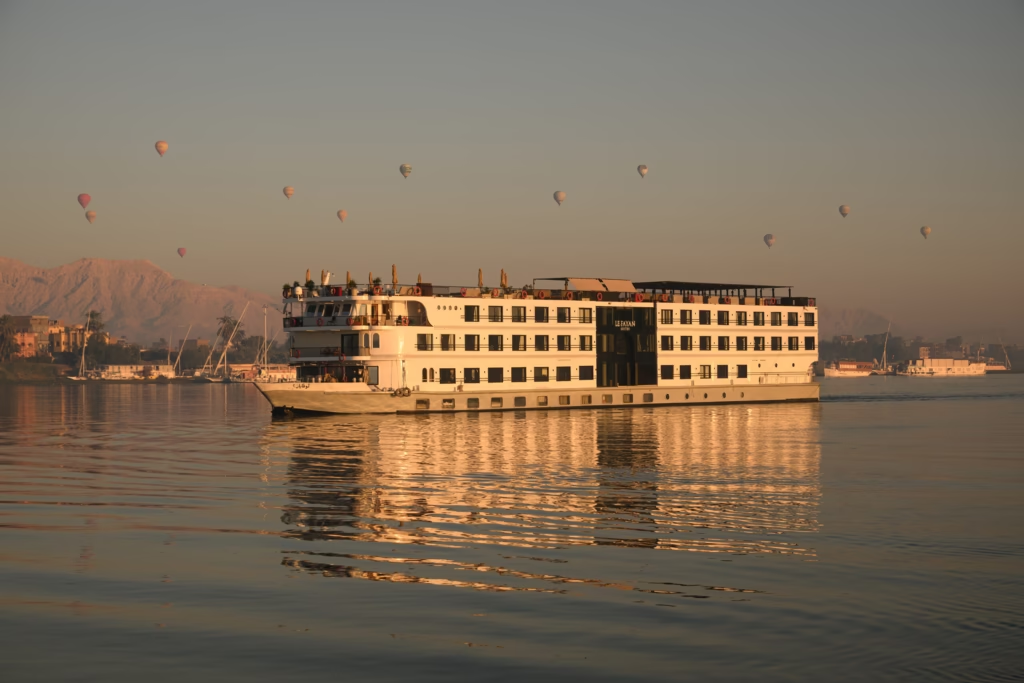
For most first-time visitors, this is the best route:
- Start in Cairo.
- Visit Giza and the museum.
- Fly to Luxor.
- Board a Nile cruise.
- Sail from Luxor to Aswan.
- Visit Abu Simbel from Aswan.
- Return to Cairo or continue to the Red Sea.
This route works because it follows Egypt’s story naturally. Cairo gives you the Pyramids and museum. Luxor gives you temples and tombs. The Nile cruise connects the ancient sites. Aswan adds calm river beauty. Abu Simbel gives your trip a powerful final monument.
How to Choose the Right Nile Cruise
Choosing the right Nile cruise is one of the most important decisions in your Egypt trip.
Ask these questions before booking:
- Is the cruise from Luxor to Aswan or Aswan to Luxor?
- How many nights are included?
- What sightseeing is included?
- Are entrance fees included?
- Is Abu Simbel included or optional?
- Is the guide private or shared?
- What meals are included?
- Are transfers included?
- What is the cabin category?
- Does the cabin have a Nile view?
- Are tips included?
- What are the recent reviews like?
- Is the cruise suitable for families, couples, or luxury travelers?
Best Nile Cruise for First-Time Visitors
For most first-time travelers, a 4-night Luxor to Aswan cruise or a 3-night Aswan to Luxor cruise works best.
Choose Luxor to Aswan if you want a slightly slower route. Choose Aswan to Luxor if your schedule is shorter or your flights work better.
Best Nile Cruise for Luxury Travelers
Luxury travelers should look for better cabins, high-quality dining, smaller groups, stronger guiding, smoother transfers, and more flexible service.
A luxury cruise is not only about the room. The guide, itinerary, food, and service all matter.
Best Nile Cruise for a Quieter Experience
Choose a dahabiya if you prefer a smaller boat and a slower river experience. This can feel more personal and peaceful than a large cruise ship.
Egypt Travel Planning Tips From a Nile Cruise Perspective
Because Egypt Nile Cruise Hub focuses on Nile cruise planning, we look at Egypt slightly differently from a general travel blog.
A good Egypt trip is not only about listing attractions. It is about connecting the route properly.
Here is the smart way to think:
- Cairo and Giza are your arrival and pyramid chapter.
- Luxor is your ancient temple and tomb chapter.
- The Nile cruise is your connection chapter.
- Aswan is your calm river and Nubian culture chapter.
- Abu Simbel is your powerful southern highlight.
- The Red Sea is your rest chapter.
When these parts are arranged correctly, your trip feels smooth. When they are arranged badly, you lose time, repeat routes, or feel rushed.
Sample 7-Day Egypt and Nile Cruise Plan
Here is a simple first-time plan:
Day 1: Arrive in Cairo
Arrive, check in, rest, and enjoy a simple dinner. Do not plan too much if your flight is long.
Day 2: Giza Pyramids and Museum
Visit the Pyramids of Giza, the Great Sphinx, and a major museum. If time allows, add Khan El Khalili in the evening.
Day 3: Fly to Luxor and Start Nile Cruise
Fly to Luxor. Visit Karnak Temple and Luxor Temple. Board your Nile cruise.
Day 4: Luxor West Bank
Visit the Valley of the Kings, Temple of Hatshepsut, and Colossi of Memnon. Sail later depending on cruise schedule.
Day 5: Edfu and Kom Ombo
Visit Edfu Temple and Kom Ombo Temple while sailing toward Aswan.
Day 6: Aswan
Visit Philae Temple, the High Dam, and enjoy a felucca ride or Nubian village visit.
Day 7: Abu Simbel or Departure
Take an early Abu Simbel trip if your schedule allows. Then fly back to Cairo or continue your journey.
Sample 10-Day Egypt and Nile Cruise Plan
This is a better plan if you want less pressure.
Day 1: Arrive in Cairo
Rest after arrival.
Day 2: Pyramids of Giza and Sphinx
Spend proper time at Giza. Add the museum if your energy allows.
Day 3: Saqqara, Memphis, and Dahshur
Explore the deeper pyramid story outside central Cairo.
Day 4: Islamic Cairo and Khan El Khalili
Visit mosques, old streets, markets, and local food spots.
Day 5: Fly to Luxor
Visit Karnak Temple and Luxor Temple.
Day 6: Luxor West Bank
Visit the Valley of the Kings and other West Bank sites.
Day 7: Board Nile Cruise
Start sailing and enjoy the Nile route.
Day 8: Edfu and Kom Ombo
Visit temples along the cruise route.
Day 9: Aswan
Visit Philae Temple and enjoy Aswan’s slower pace.
Day 10: Abu Simbel and Departure
Visit Abu Simbel early, then fly back to Cairo or continue to the Red Sea.
Should You Add the Red Sea?
Add the Red Sea if you have more than 9 or 10 days.
The Red Sea is perfect after a busy cultural trip. You can rest, swim, snorkel, dive, or simply enjoy a resort.
- Choose Hurghada if you want easier access from Luxor by road.
- Book Sharm El-Sheikh if you want Sinai resorts and diving.
- Choose Marsa Alam if you want a quieter beach and marine-life experience.
Travel Insurance for Egypt
Travel insurance is strongly recommended for Egypt.
Look for coverage that includes:
- Medical emergencies
- Trip cancellation
- Lost baggage
- Flight delays
- Tour cancellation
- Cruise interruption
- Emergency evacuation
- Adventure activities if needed
If you plan hot air ballooning, diving, desert trips, or special activities, check whether your policy covers them.
Health Tips for Egypt Travel
Before traveling, check health advice from official medical or government sources. Requirements can depend on where you are traveling from.
Simple health tips:
- Drink bottled water.
- Use sunscreen.
- Wear a hat.
- Rest during extreme heat.
- Carry basic stomach medicine.
- Bring personal prescriptions.
- Keep medicine in original packaging.
- Avoid risky street food if your stomach is sensitive.
- Use insect repellent when needed.
- Stay hydrated during temple visits.
If you have a medical condition, speak with your doctor before travel.
Best Egypt Travel Tips for First-Time Visitors
Here are the most useful tips:
- Start sightseeing early.
- Book trusted airport transfers.
- Do not underestimate distances.
- Keep small cash ready.
- Use a guide for major ancient sites.
- Check visa rules before booking.
- Dress for heat and modesty.
- Add rest time to your itinerary.
- Choose your Nile cruise carefully.
- Keep your documents organized.
- Do not bring a drone without permission.
- Book Abu Simbel early.
- Use bottled water.
- Be polite but firm with sellers.
- Check what is included before paying for tours.
Egypt Travel FAQs
Is Egypt good for first-time travelers?
Yes, Egypt is a great destination for first-time travelers if you plan carefully. The best first-time route usually includes Cairo, Giza, Luxor, Aswan, and a Nile cruise.
How many days do I need in Egypt?
You need at least 7 days for a strong first Egypt trip. With 10 days, you can travel at a better pace and include Cairo, Giza, Luxor, Aswan, a Nile cruise, and Abu Simbel.
Is 5 days enough for Egypt?
Five days is enough for Cairo and Luxor, but it is short for a full Egypt trip. You may need to skip the Nile cruise or Abu Simbel unless your schedule is very tight.
What is the best month to visit Egypt?
October, November, February, March, and April are some of the best months for sightseeing and Nile cruises. December and January are cooler but often busier.
Do I need a visa to travel to Egypt?
Many travelers need a visa, e-Visa, or visa on arrival to enter Egypt. Rules depend on nationality, arrival point, and travel plans. Always check official requirements before travel.
Is Egypt safe for tourists?
Many tourists visit Egypt safely every year, especially on popular routes such as Cairo, Giza, Luxor, Aswan, and Red Sea resorts. Still, travelers should check current travel advisories, avoid restricted areas, use trusted transport, and follow local laws.
Should I take a Nile cruise in Egypt?
Yes, a Nile cruise is highly recommended for many first-time visitors. It is one of the easiest ways to connect Luxor and Aswan while visiting temples along the river.
Is Luxor or Aswan better?
Luxor is better for ancient tombs and temples. Aswan is better for calm Nile views, Nubian culture, Philae Temple, and Abu Simbel access. Ideally, visit both.
Can I visit Abu Simbel on a Nile cruise?
Some Nile cruise itineraries offer Abu Simbel as an optional trip from Aswan. Classic Luxor-Aswan cruises do not always include it automatically, so check before booking.
What should I wear in Egypt?
Wear light, modest, comfortable clothing. Cover shoulders and knees in mosques and local areas. Bring comfortable shoes, a hat, sunglasses, and sunscreen for sightseeing.
Can I drink tap water in Egypt?
Most travelers should drink bottled water. If you have a sensitive stomach, use bottled water for brushing your teeth too.
Is Egypt expensive to visit?
Egypt can be affordable or luxurious depending on your travel style. Budget travelers can keep costs lower, while luxury hotels, private tours, domestic flights, and premium Nile cruises raise the total cost.
Is a guide necessary in Egypt?
A guide is not required everywhere, but a good guide is very helpful at major historic sites. Places like Giza, Saqqara, Karnak, Valley of the Kings, Philae, and Abu Simbel are much better with expert explanation.
What is the best Nile cruise route?
The best route for most first-time visitors is between Luxor and Aswan. A 4-night Luxor to Aswan cruise or 3-night Aswan to Luxor cruise is the classic choice.
Should I book my Egypt trip in advance?
Yes, especially if you are traveling in peak season from October to April. Good Nile cruises, guides, hotels, and domestic flights can sell out or become more expensive.
Plan Your Egypt Trip With Egypt Nile Cruise Hub
Egypt is one of the world’s greatest travel destinations, but the best trips are planned with care. You need the right route, the right timing, the right cruise, and enough space to enjoy the journey without feeling rushed.
A good first Egypt trip usually starts in Cairo, continues to Luxor, sails the Nile to Aswan, and adds Abu Simbel if time allows. After that, you can return home or relax by the Red Sea.
At Egypt Nile Cruise Hub, we help travelers understand Nile cruise options, compare routes, and plan better Egypt travel experiences. Whether you want a standard Nile cruise, a luxury cruise, a dahabiya, or a full Egypt itinerary, the goal is simple: make your trip easier, clearer, and more memorable.
Start by comparing Nile cruise routes, then choose the itinerary that matches your travel dates, comfort level, and sightseeing goals.
Egypt is waiting. Plan it well, and your journey can become one of the most unforgettable trips of your life.
“Not sure which cruise to choose? Tell us your dates and budget.”