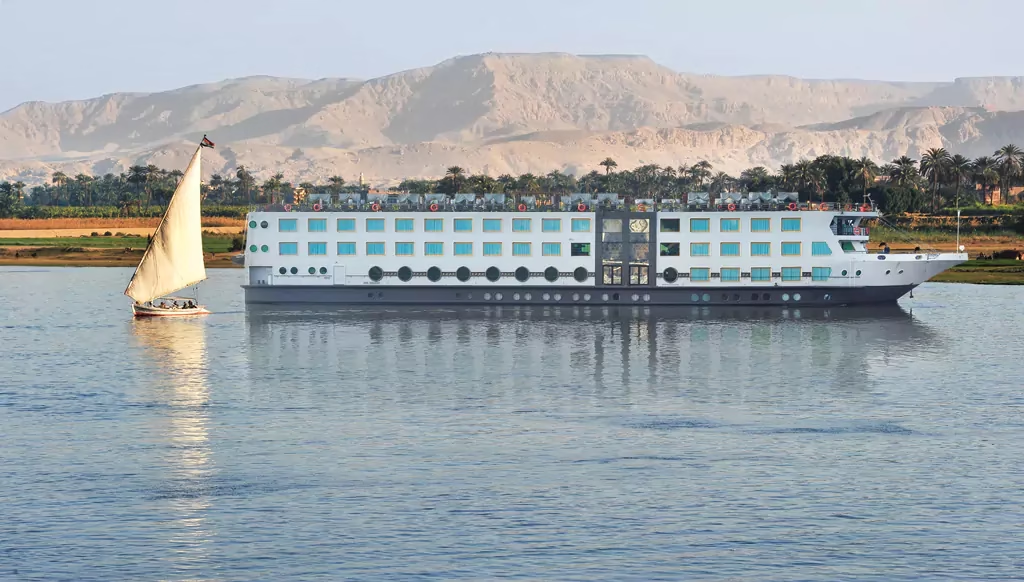
A standard Nile cruise runs the roughly 220km stretch of river between Luxor and Aswan, and almost every itinerary — 3, 4 or 7 nights, in either direction — calls at the same handful of unmissable stops along the way. This map walks the route from north to south, city by city, so you can see exactly what you will visit before you book. Each stop links to our full visitor guide, and if you would rather have a ship recommended to you directly, try the Find My Cruise quiz or compare all 99 ships.
Luxor — the start (or finish) line
Most 3 and 4-night cruises begin or end here. Luxor sits on both banks of the Nile: temples in the city on the East Bank, royal tombs on the West Bank. Ships usually spend a full day or two docked here before setting sail south.
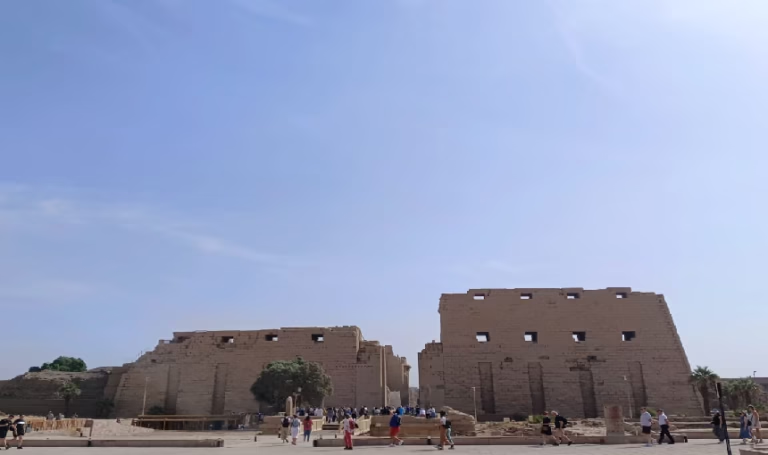
Karnak Temples
The largest religious complex ever built. The Great Hypostyle Hall, 134 towering columns, is the single most photographed moment on most Luxor stops.
Read the full guide →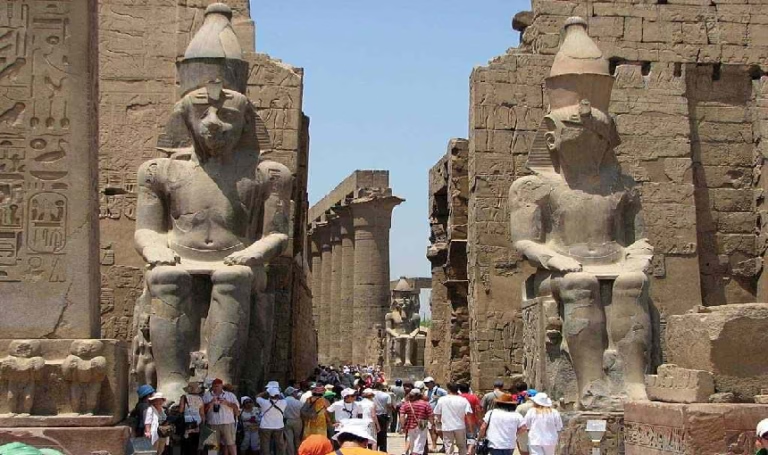
Luxor Temple
A riverside temple built for the ancient Opet Festival, and especially striking after dark — many cruises schedule this as an evening visit.
Read the full guide →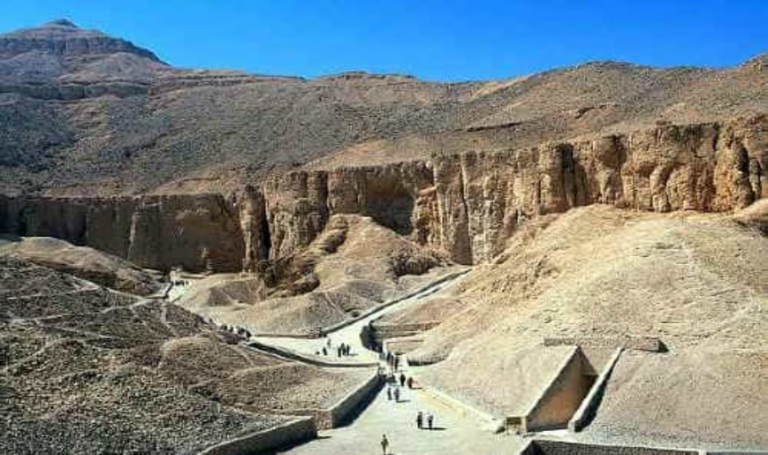
Valley of the Kings
The West Bank burial ground of the New Kingdom pharaohs, including Tutankhamun. The essential half-day stop for almost every itinerary.
Read the full guide →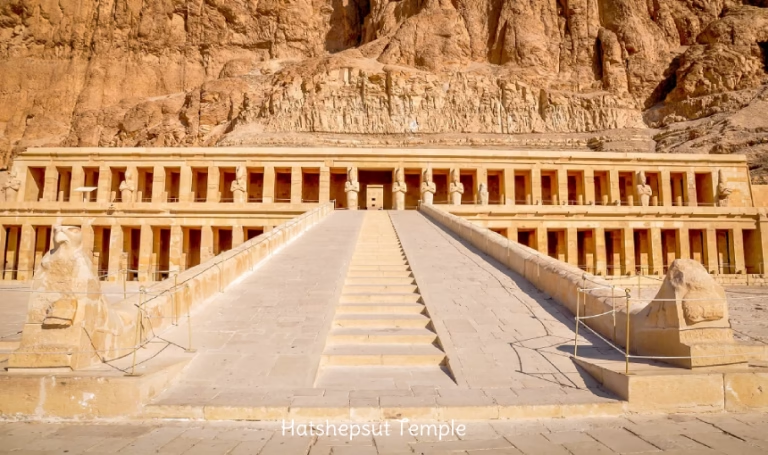
Hatshepsut Temple
A dramatic three-tiered temple cut into the cliffs at Deir el-Bahari, built for Egypt’s most famous female pharaoh.
Read the full guide →
Colossi of Memnon
Two 18-metre statues of Amenhotep III, usually the quick first stop on a West Bank morning tour.
Read the full guide →Dendera — the extended add-on
North of Luxor, so only some longer sailings or dahabiya itineraries include it — worth asking about when you book if it interests you.
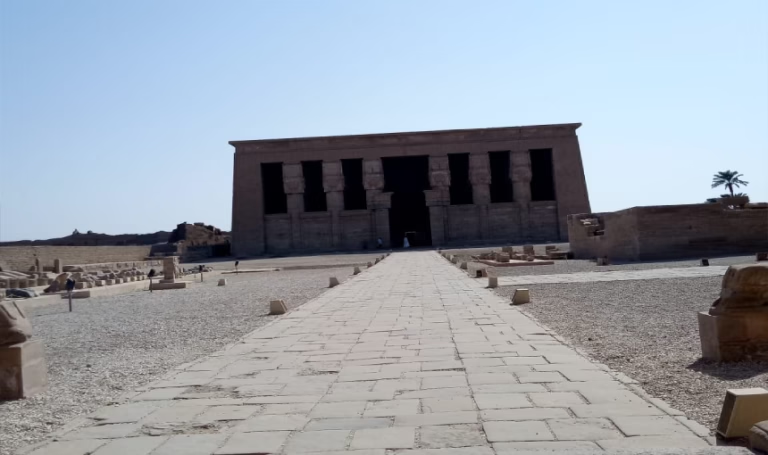
Dendera Temple
One of Egypt’s best-preserved temple complexes, dedicated to Hathor, famous for its painted ceiling and zodiac carving.
Read the full guide →Esna
A short stop between Luxor and Edfu, where ships also pass through the Esna lock — a slow, scenic part of the sailing itself.
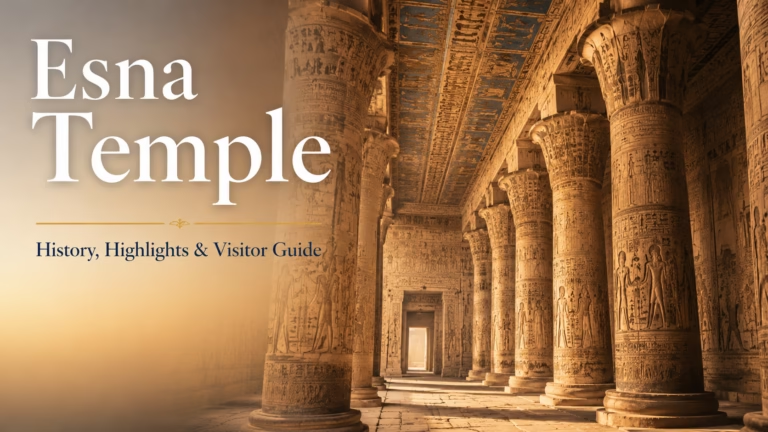
Esna Temple
A beautifully restored temple to the ram-headed god Khnum, known for its richly painted ceiling and columns.
Read the full guide →Edfu
Reached from the dock by a short horse-drawn carriage ride, which is half the fun for most guests.
Edfu Temple
The best-preserved temple in Egypt, dedicated to the falcon god Horus — a genuine highlight of the whole cruise.
Read the full guide →Kom Ombo
Many ships moor within easy walking distance, and this stop is often timed for sunset.
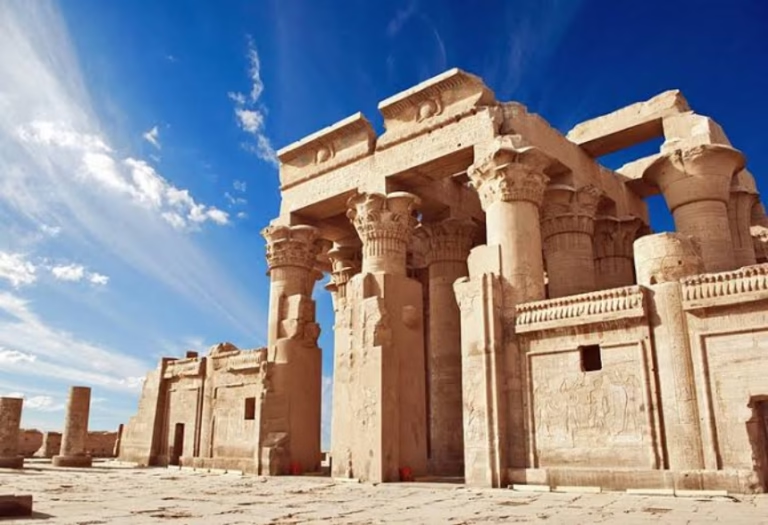
Kom Ombo Temple
A rare double temple honouring both the crocodile god Sobek and the falcon god Horus, sitting right on the riverbank.
Read the full guide →Aswan — the southern end
The other end of the standard route, with a relaxed, Nubian character all its own — plenty of sailings begin or end their journey here instead of Luxor.
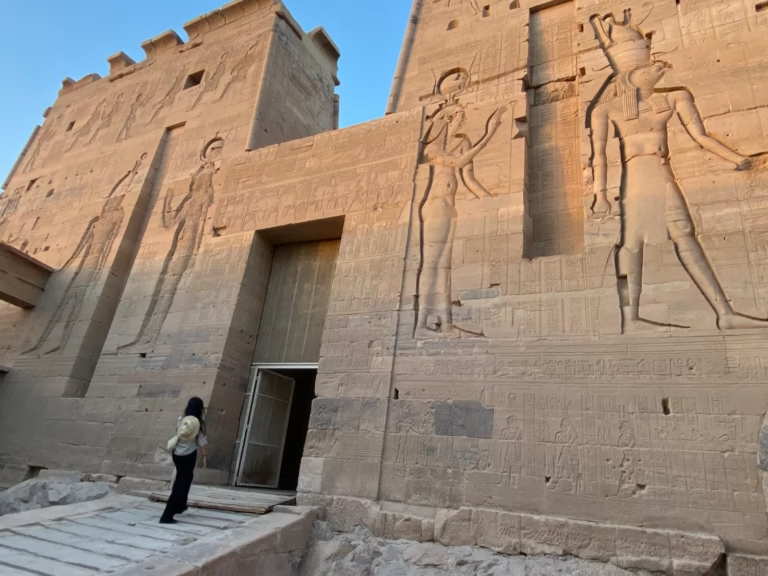
Philae Temple
A romantic island temple to Isis, moved stone by stone to save it from flooding, reached by a short boat ride.
Read the full guide →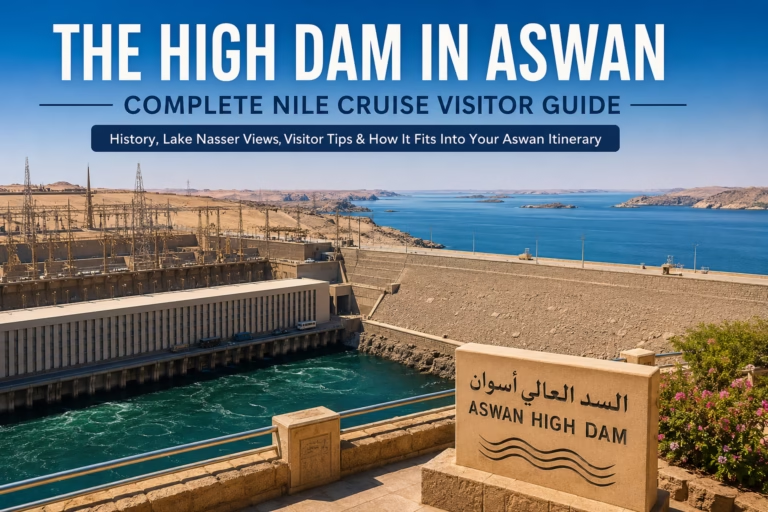
The High Dam
Egypt’s modern engineering landmark, which created Lake Nasser and reshaped the whole Nile — usually a quick photo stop.
Read the full guide →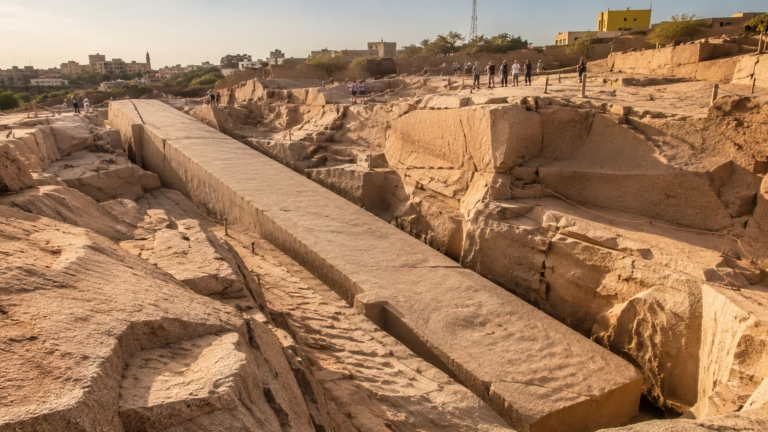
Unfinished Obelisk
A half-carved obelisk still lying in its ancient granite quarry, showing exactly how it was cut by hand.
Read the full guide →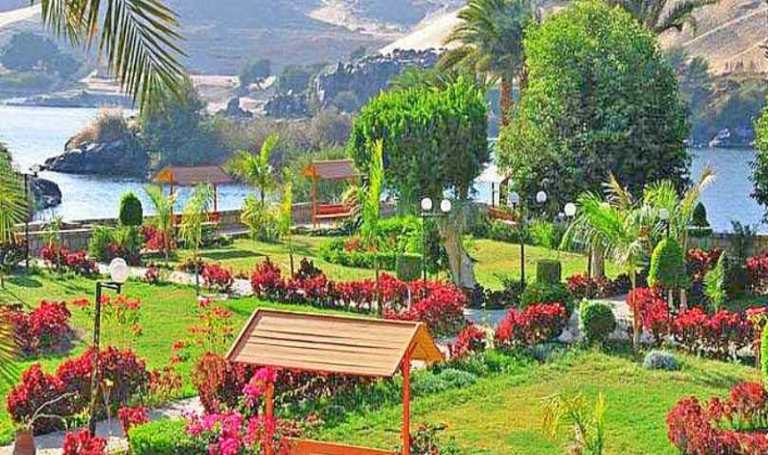
Aswan Botanical Garden
A lush island garden on Kitchener’s Island, a relaxed green contrast after a morning of temples.
Read the full guide →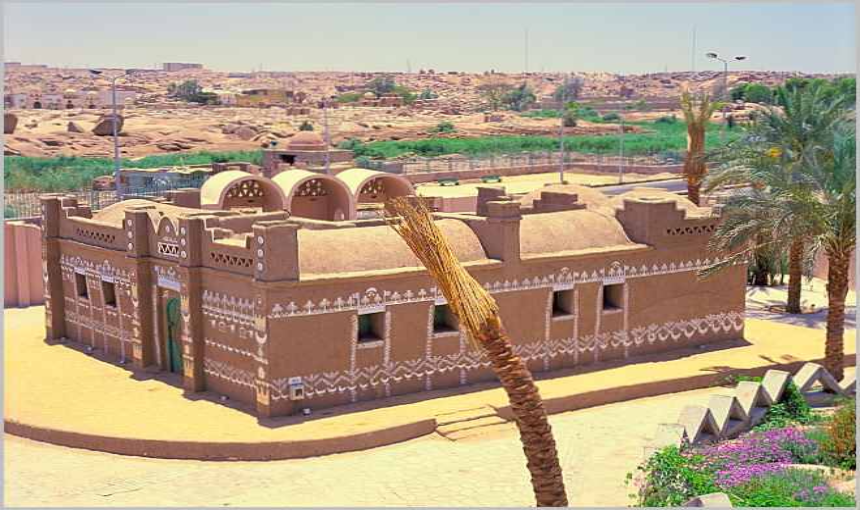
Elephantine Island & Nubian Villages
Colourful Nubian villages and island life, best explored by felucca — a highlight for anyone wanting to see Nubian culture up close.
Read the full guide →Which ship should you actually book?
Every ship on this route stops at more or less the same places — the real differences are class, cabin size, and price.
“Not sure which cruise to choose? Tell us your dates and budget.”