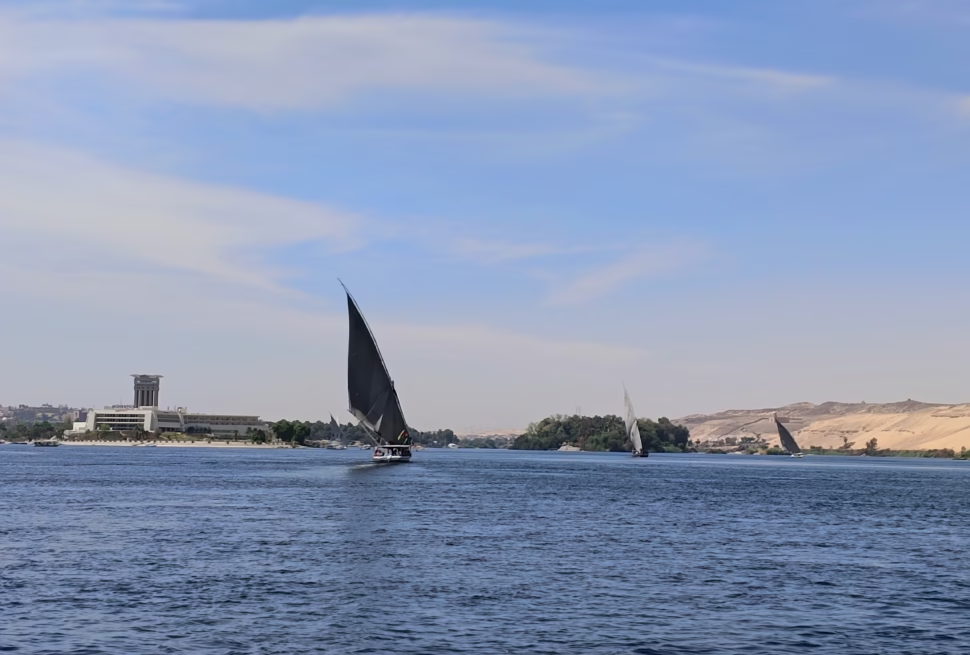
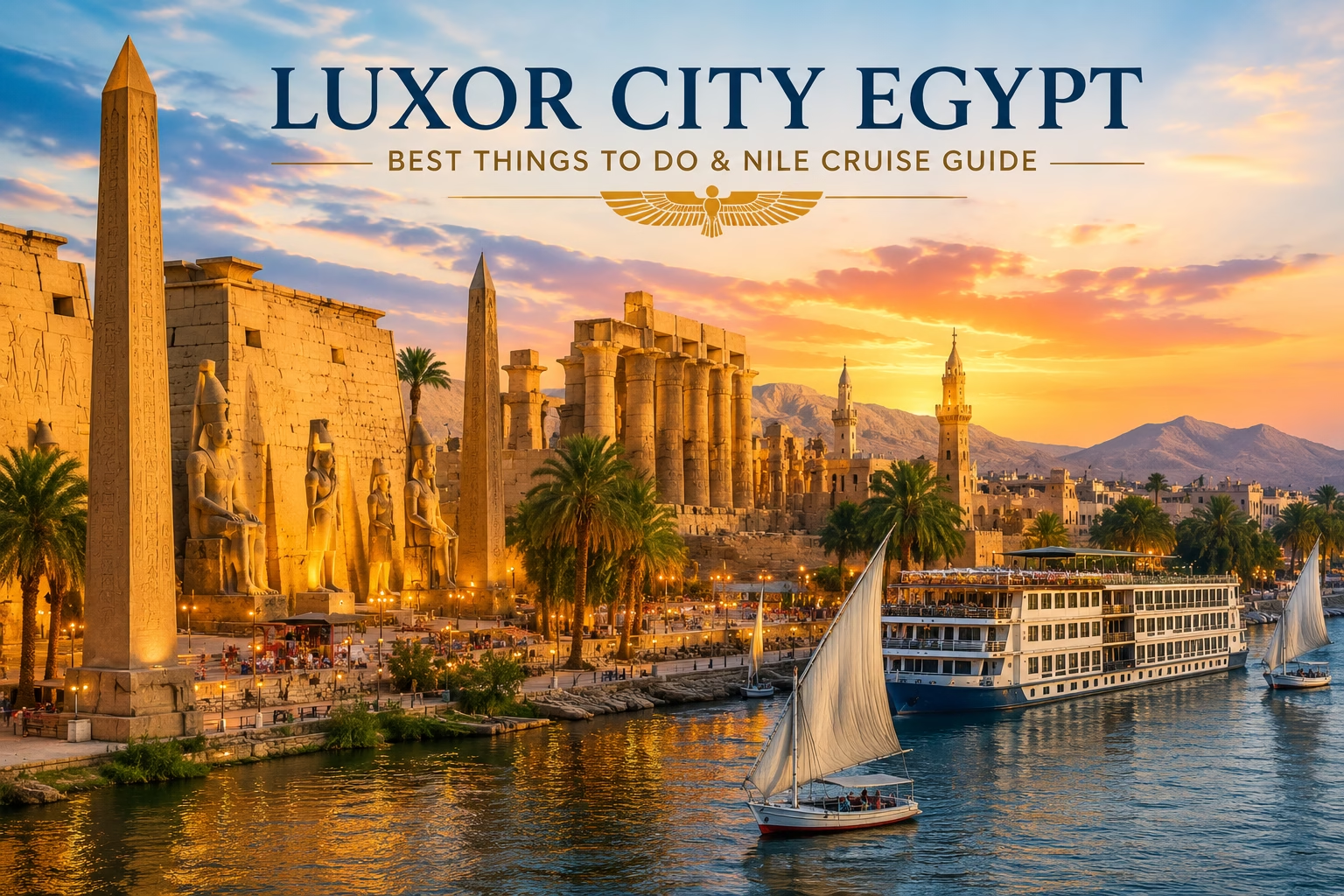
Luxor City Egypt is one of the most important travel destinations in the world for ancient history lovers. Located on the banks of the Nile in Upper Egypt, Luxor is often called the world’s greatest open-air museum because it is home to some of Egypt’s most famous temples, tombs, monuments, and archaeological treasures.
In ancient times, Luxor was part of Thebes, the powerful capital of Egypt during important periods of the Middle Kingdom and New Kingdom. Today, visitors come to see Karnak Temple, Luxor Temple, the Valley of the Kings, Hatshepsut Temple, the Colossi of Memnon, and many other unforgettable sites.
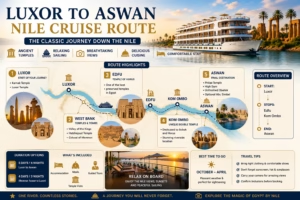
Luxor is also one of the best places to begin a Luxor to Aswan Nile cruise. Many Nile cruise itineraries start in Luxor, visit the city’s East Bank and West Bank attractions, then sail south toward Edfu, Kom Ombo, and Aswan. If you want a trip that combines ancient history, river views, comfort, and guided sightseeing, Luxor is the perfect starting point.
“Not sure which cruise to choose? Tell us your dates and budget.”
Why Visit Luxor City Egypt?
Luxor is worth visiting because it gives travelers direct access to the heart of ancient Egypt. Unlike a museum where artifacts are displayed behind glass, Luxor lets you walk through temples, enter royal tombs, stand beside giant statues, and sail on the Nile between landscapes that have shaped Egyptian history for thousands of years.
The city is divided by the Nile into two main sightseeing areas. The East Bank is known for temple life, city activity, hotels, restaurants, and riverfront views. The West Bank is known for tombs, mortuary temples, desert cliffs, and ancient burial sites. Together, they create one of the richest cultural destinations in Egypt.
For many travelers, Luxor is not just a stop on an Egypt itinerary. It is the highlight of the journey.
Quick Guide to the Best Things to Do in Luxor
| Attraction | Best For | Suggested Time |
|---|---|---|
| Karnak Temple | Huge temple complex, columns, ancient religion | 2 to 3 hours |
| Luxor Temple | Evening visit, statues, Nile-side location | 1 to 1.5 hours |
| Valley of the Kings | Royal tombs, pharaoh history, wall paintings | 2 to 3 hours |
| Hatshepsut Temple | Architecture, cliffs, female pharaoh history | 1 to 1.5 hours |
| Colossi of Memnon | Photo stop, ancient statues | 15 to 30 minutes |
| Medinet Habu | Reliefs, fewer crowds, Ramses III temple | 1 to 1.5 hours |
| Valley of the Queens | Queens’ tombs, ancient art | 1 to 2 hours |
| Nile Cruise | Comfortable travel from Luxor to Aswan | 4 or 5 days |
| Hot Air Balloon Ride | Sunrise views over the West Bank | 2 to 3 hours total |
| Luxor Museum | Artifacts, calm indoor visit | 1 to 1.5 hours |
Luxor East Bank vs West Bank
Before planning your Luxor visit, it helps to understand the difference between the East Bank and the West Bank.
The East Bank of Luxor is where most hotels, restaurants, shops, and city services are located. It is also home to Karnak Temple and Luxor Temple. In ancient Egyptian belief, the east was connected with life and sunrise, which makes the East Bank a natural place for temples and religious celebrations.
The West Bank is where many tombs and mortuary temples are located. In ancient belief, the west was connected with sunset and the afterlife. This is why the Valley of the Kings, Valley of the Queens, Hatshepsut Temple, Medinet Habu, and many noble tombs are found on the western side of the Nile.
For the best experience, you should visit both sides. The East Bank shows the public and religious side of ancient Thebes, while the West Bank reveals the royal burial landscape and the afterlife beliefs of ancient Egypt.
1. Karnak Temple Complex
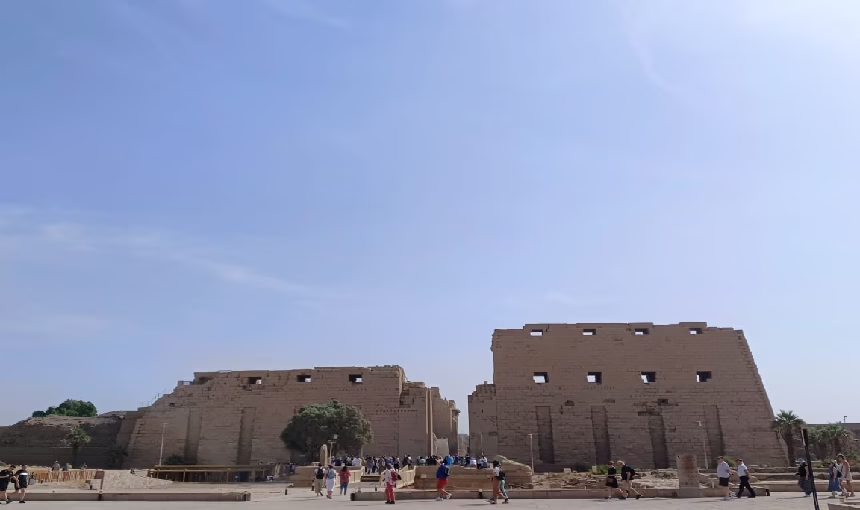
Karnak Temple is one of the most important attractions in Luxor City Egypt. This massive temple complex was built and expanded over many centuries by different pharaohs. It was mainly dedicated to Amun-Ra, along with other gods connected to ancient Thebes.
The most famous part of Karnak is the Great Hypostyle Hall, filled with huge stone columns covered in carvings and hieroglyphs. Walking between these columns is one of the most powerful moments of any visit to Luxor. The scale of the site helps you understand how important Thebes was in ancient Egyptian religion and politics.
Karnak is usually included in almost every Nile cruise itinerary that starts or ends in Luxor. It is best visited early in the morning or later in the afternoon when the heat is easier to manage.
Why visit Karnak Temple?
- It is one of the largest and most impressive temple complexes in Egypt.
- The Great Hypostyle Hall is a must-see highlight.
- It gives strong historical context before visiting other Luxor sites.
- It is usually included in Luxor East Bank tours.
- It works perfectly as the first major stop before starting a Nile cruise.
2. Luxor Temple
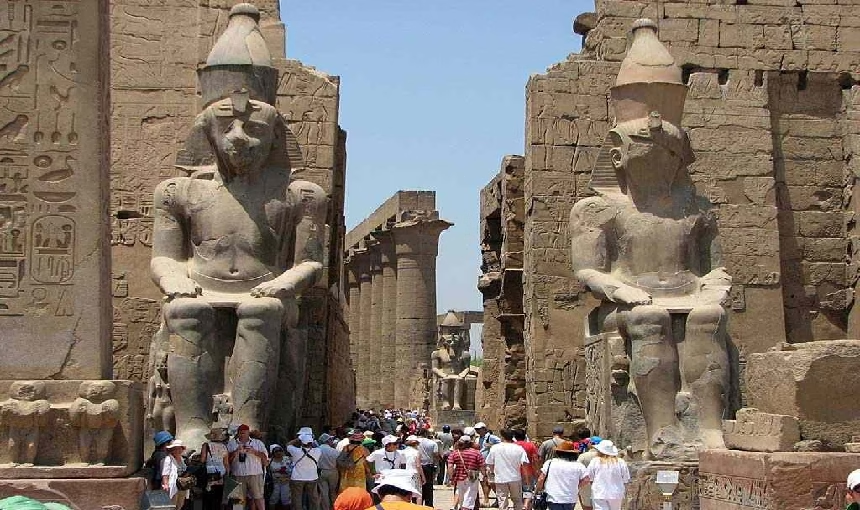
Luxor Temple is located in the heart of the modern city, close to the Nile Corniche. It is smaller than Karnak but has a very special atmosphere, especially in the evening when the temple is illuminated.
The temple was connected to Karnak by the ancient Avenue of Sphinxes, a long ceremonial route used during religious festivals. Today, visitors can still see the connection between these two major sites and understand how ancient Thebes functioned as a sacred city.
Luxor Temple is an excellent evening visit after a day of sightseeing. The lighting creates beautiful shadows on the statues, columns, and walls, making it one of the most photogenic places in Luxor.
Why visit Luxor Temple?
- It is easy to reach from most Luxor hotels and cruise docks.
- It looks beautiful at sunset and after dark.
- It is connected historically with Karnak Temple.
- It gives visitors a strong sense of ancient Thebes inside the modern city.
3. Valley of the Kings
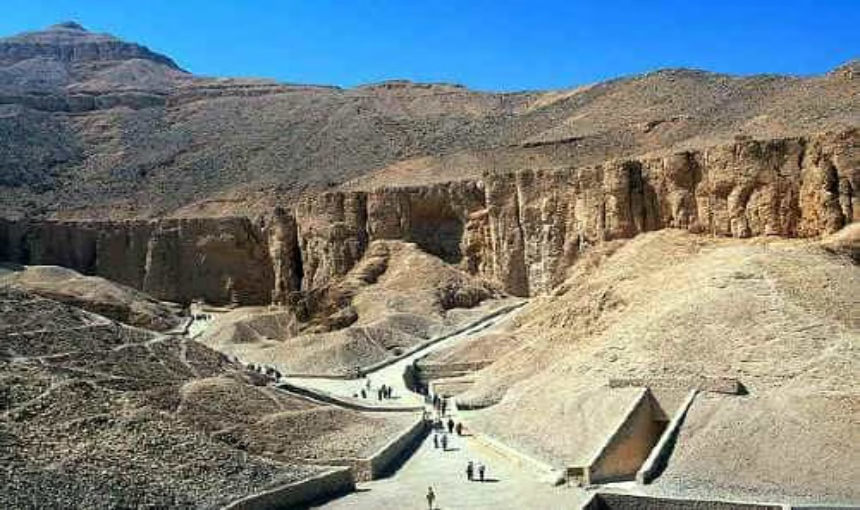
The Valley of the Kings is one of the most famous archaeological sites in Egypt. Located on the West Bank of Luxor, it served as the burial place for many New Kingdom pharaohs. Instead of building pyramids, these rulers were buried in hidden tombs cut into the desert hills.
Inside the tombs, visitors can see colorful wall paintings, religious texts, and scenes that were meant to guide the kings into the afterlife. Some tombs are simple, while others are deeply decorated and dramatic. The tomb of Tutankhamun is the most famous, although several other tombs are larger and more visually impressive.
Most standard tickets include entry to a selection of open tombs, while some special tombs may require additional tickets. Because open tombs can change, it is always a good idea to check current access before your visit.
Why visit the Valley of the Kings?
- It is one of the most iconic sites in ancient Egypt.
- It shows the royal burial traditions of the New Kingdom.
- The wall paintings are among the best-preserved ancient artworks in Egypt.
- It is a core stop on most Luxor West Bank tours.
- It is often included in Nile cruise sightseeing programs.
4. Temple of Hatshepsut
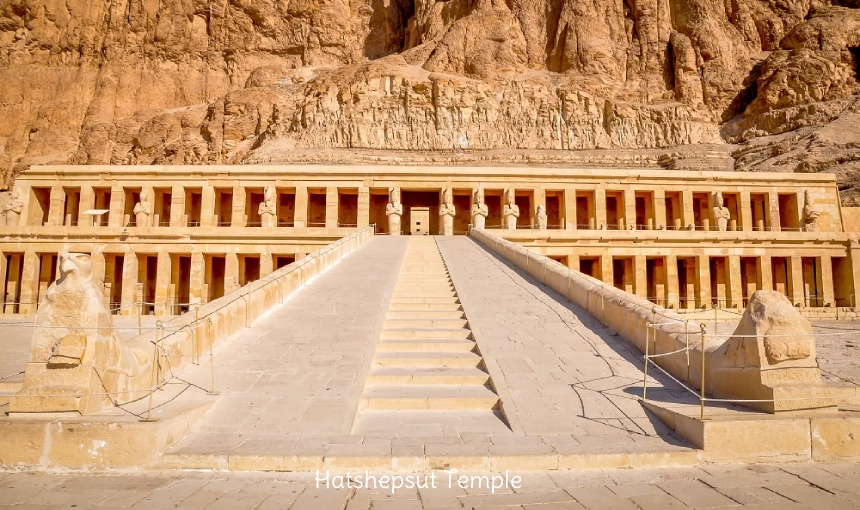
The Temple of Hatshepsut is one of the most visually striking monuments in Luxor. Built into the cliffs of Deir el-Bahari, the temple has a unique terraced design that looks very different from many other Egyptian temples.
Hatshepsut was one of ancient Egypt’s most powerful female pharaohs. Her temple reflects both royal authority and elegant architectural planning. The desert cliff background makes the site especially dramatic, and it is one of the best places in Luxor for photography.
Most West Bank tours combine Hatshepsut Temple with the Valley of the Kings and the Colossi of Memnon. If you are following a 5 day Nile cruise itinerary, this site is usually part of the Luxor sightseeing program.
Why visit Hatshepsut Temple?
- It has one of the most unique temple designs in Egypt.
- It tells the story of a powerful female ruler.
- The cliffside setting is unforgettable.
- It is easy to combine with the Valley of the Kings.
5. Colossi of Memnon
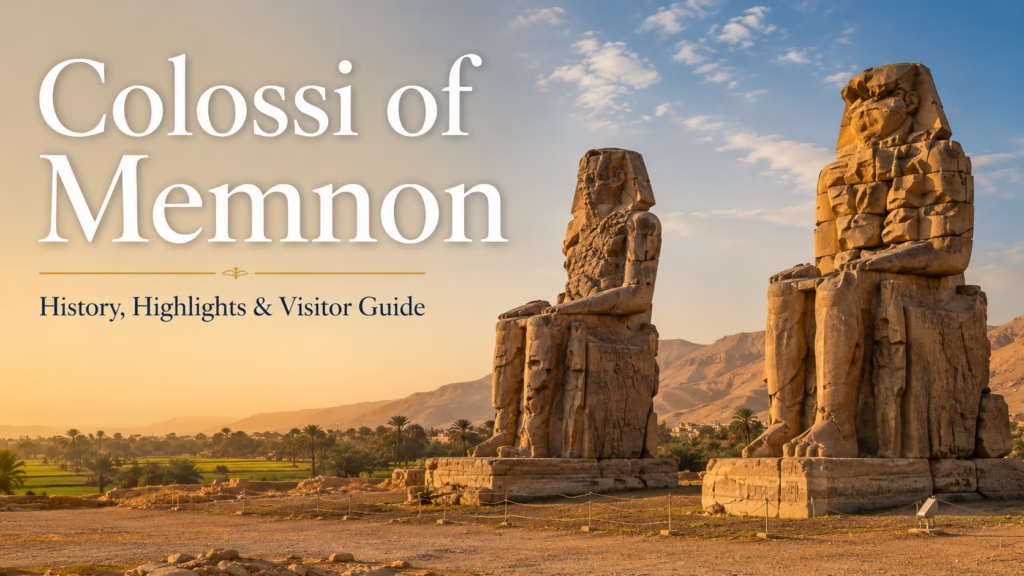
The Colossi of Memnon are two giant seated statues of Pharaoh Amenhotep III. They once stood in front of a large mortuary temple, much of which has disappeared over time. Today, the statues remain as a powerful reminder of the scale of ancient Egyptian building projects.
This is usually a short stop during a West Bank tour. You do not need a long time here, but it is worth visiting for photos and context before continuing to other nearby sites.
Why visit the Colossi of Memnon?
- They are one of Luxor’s easiest and quickest photo stops.
- They show the massive scale of ancient royal monuments.
- They are usually included in West Bank sightseeing tours.
- They are close to other important Luxor attractions.
6. Medinet Habu
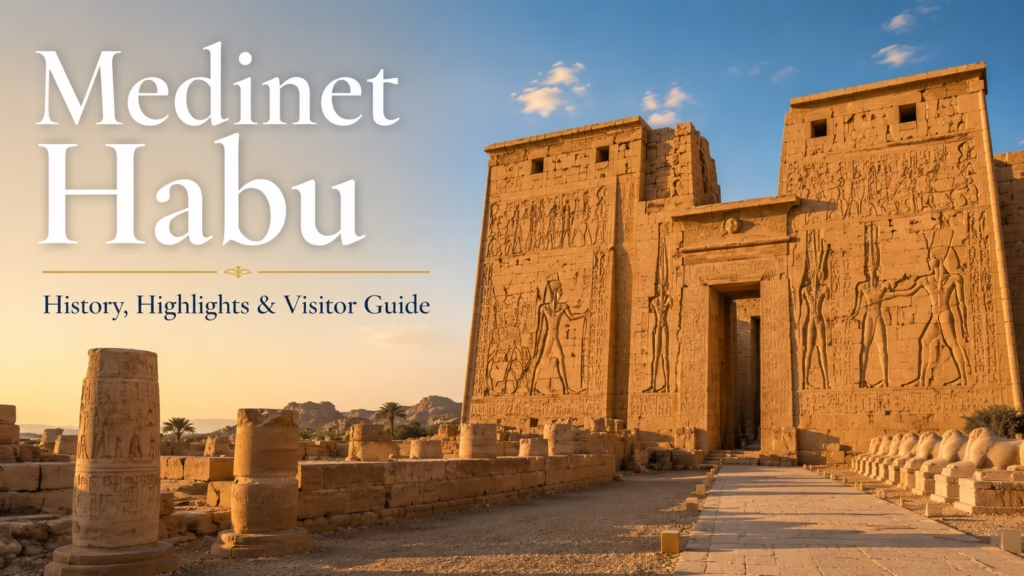
Medinet Habu is one of the most rewarding sites in Luxor for travelers who want something impressive but less crowded. The temple is mainly associated with Ramses III and is known for its large walls, deep carvings, battle scenes, and well-preserved reliefs.
Many first-time visitors miss Medinet Habu because they focus only on the Valley of the Kings and Hatshepsut Temple. However, it is one of the best extra sites to add if you have more time on the West Bank.
Why visit Medinet Habu?
- It is impressive but usually less crowded than the main sites.
- The reliefs are detailed and powerful.
- It adds depth to a West Bank itinerary.
- It is ideal for repeat visitors or travelers who love ancient temples.
7. Valley of the Queens
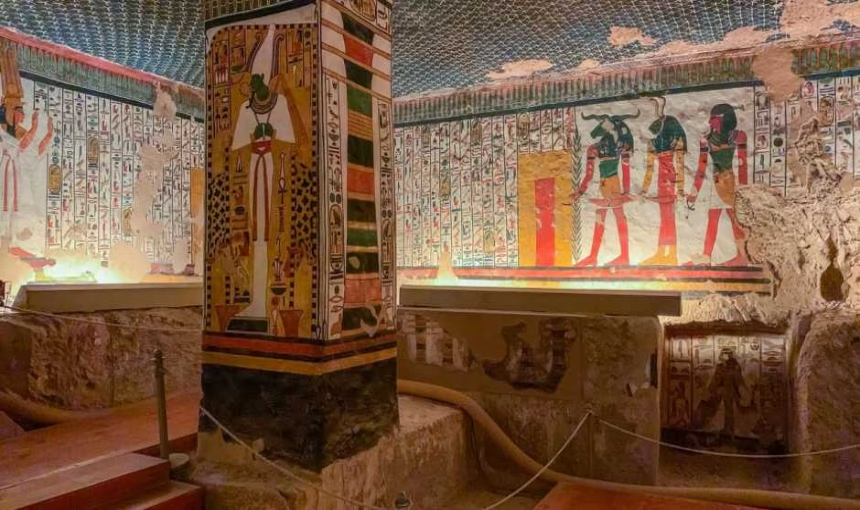
The Valley of the Queens is another important burial area on the West Bank of Luxor. It was used for queens, royal children, and other members of the royal family. The most famous tomb here is the tomb of Queen Nefertari, known for its beautiful wall paintings.
Access to specific tombs can vary, and special tombs may require separate tickets. If you are interested in ancient art, the Valley of the Queens can be a very rewarding addition to your Luxor plan.
Why visit the Valley of the Queens?
- It offers a different view of royal burial traditions.
- Some tombs contain beautiful ancient artwork.
- It is close to other West Bank attractions.
- It is a strong choice for travelers who want a fuller Luxor experience.
8. Luxor Museum
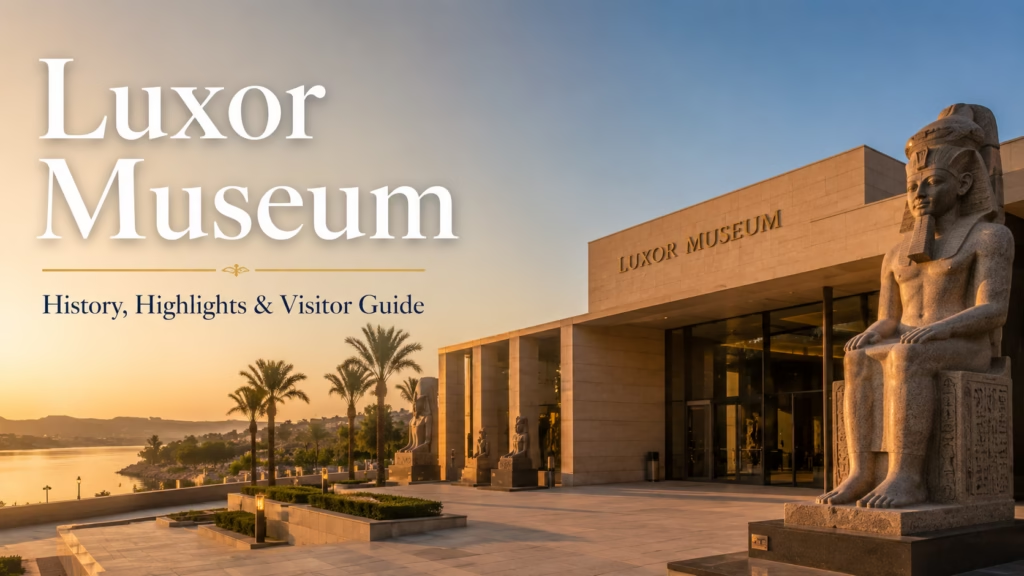
Luxor Museum is a calm and well-organized museum located near the Nile. It is not as large as major museums in Cairo, but it offers a high-quality collection of artifacts from ancient Thebes and nearby sites.
This is a good stop if you want an indoor activity during the hottest part of the day. It also helps connect what you see in the temples and tombs with actual objects from ancient Egyptian life and religion.
Why visit Luxor Museum?
- It is easier to explore than a very large museum.
- It gives useful context for Luxor’s temples and tombs.
- It is a good indoor option in hot weather.
- It works well before or after visiting Karnak and Luxor Temple.
9. Hot Air Balloon Ride Over Luxor
A sunrise hot air balloon ride is one of the most popular experiences in Luxor. Balloons usually fly over the West Bank, giving views of the Nile, farmland, desert cliffs, temples, and ancient sites from above.
This activity is weather-dependent and usually starts very early in the morning. If you want to include it before a Nile cruise tour, confirm the timing carefully so it does not conflict with your sightseeing schedule.
Why take a hot air balloon ride in Luxor?
- It gives a unique view of the West Bank landscape.
- Sunrise over the Nile and desert is beautiful.
- It is one of the most memorable optional activities in Luxor.
- It works well before a full West Bank tour if timing allows.
10. Nile Cruise from Luxor to Aswan
One of the best ways to experience Luxor is to begin a Nile cruise from the city. A Luxor to Aswan Nile cruise usually includes major Luxor sightseeing before sailing south toward Edfu, Kom Ombo, and Aswan.
This is a practical and comfortable way to see several important ancient sites without changing hotels every day. You sleep on board, enjoy meals on the ship, and visit temples and monuments along the Nile route.
Travelers can choose from different cruise styles, including Standard 5 Stars Nile Cruise, Deluxe 5 Stars Nile Cruise, Luxury 5 Stars Nile Cruise, Ultra Luxury 5 Stars Nile Cruise, and Dahabiya Nile Cruise.
Why start your Nile cruise in Luxor?
- Luxor has some of Egypt’s most important ancient sites.
- Many cruises begin with East Bank and West Bank sightseeing.
- The route from Luxor to Aswan includes Edfu and Kom Ombo.
- It gives a smooth mix of history, comfort, and river travel.
- It is ideal for first-time visitors to Upper Egypt.
Best One-Day Itinerary for Luxor City Egypt
If you only have one day in Luxor, focus on the most important sites. Start early because Luxor can become hot, especially on the West Bank.
Suggested one-day Luxor itinerary:
- Early morning: Valley of the Kings
- Late morning: Hatshepsut Temple
- Photo stop: Colossi of Memnon
- Lunch break
- Afternoon: Karnak Temple
- Evening: Luxor Temple
This plan is busy, but it covers the essential East Bank and West Bank highlights. It is best with a private guide and driver so you can move efficiently between sites.
Best Two-Day Itinerary for Luxor
Two days in Luxor is much better than one day. It gives you time to explore without rushing and allows space for extra sites such as Medinet Habu, Luxor Museum, or a hot air balloon ride.
Suggested two-day Luxor itinerary:
- Day 1 morning: Karnak Temple
- Day 1 afternoon: Luxor Museum or free time by the Nile
- Day 1 evening: Luxor Temple
- Day 2 sunrise: Optional hot air balloon ride
- Day 2 morning: Valley of the Kings
- Day 2 late morning: Hatshepsut Temple
- Day 2 afternoon: Colossi of Memnon and Medinet Habu
This itinerary is ideal if you are staying in Luxor before joining a Nile cruise or after finishing a cruise from Aswan.
Best Time to Visit Luxor
The best time to visit Luxor is usually from October to April, when the weather is cooler and outdoor sightseeing is more comfortable. During summer, temperatures can be very high, especially around open desert sites such as the Valley of the Kings and Hatshepsut Temple.
If you visit in hot months, start sightseeing early, drink plenty of water, wear breathable clothing, and plan indoor breaks during midday. The East Bank temples can also be beautiful in the late afternoon or evening.
How Many Days Do You Need in Luxor?
You need at least one full day to see the main highlights of Luxor, but two days is much better. With two days, you can see both banks properly and include a few extra experiences without feeling rushed.
If you are starting a Nile cruise in Luxor, check whether your cruise package includes all the sightseeing you want. Some itineraries include only the main East Bank and West Bank stops, while others allow optional upgrades or private additions.
Where to Stay in Luxor
Most visitors stay on the East Bank because it has more hotels, restaurants, transport options, and cruise access. This is also convenient for visiting Karnak Temple and Luxor Temple.
The West Bank is quieter and can be a good choice for travelers who want a slower atmosphere near the archaeological sites. However, if you are joining a Nile cruise, staying near the East Bank or cruise docking area is often more practical.
Travel Tips for Visiting Luxor
- Start early, especially for the West Bank sites.
- Wear comfortable walking shoes for temples and tombs.
- Bring water, sunscreen, sunglasses, and a hat.
- Use a licensed guide if you want deeper historical context.
- Check which tombs are open before visiting the Valley of the Kings.
- Keep small cash for tips, local transport, and small purchases.
- Visit Luxor Temple in the evening for a more atmospheric experience.
- Confirm your Nile cruise sightseeing inclusions before booking.
Can You Visit Luxor During a Nile Cruise?
Yes, Luxor is one of the main cities included in Nile cruise itineraries. Many cruises either start or end in Luxor. A typical cruise program includes Karnak Temple, Luxor Temple, the Valley of the Kings, Hatshepsut Temple, and the Colossi of Memnon.
After visiting Luxor, cruises usually sail toward Edfu and Kom Ombo before reaching Aswan. You can learn more about this route in our guide to Kom Ombo Temple and our article on the top must-see sites on a Nile cruise.
Recommended Nile Cruises from Luxor
If you want to start your journey in Luxor, compare cruise ships by comfort level, itinerary, cabin type, and included tours. Some travelers prefer a classic 5-star cruise, while others want a luxury ship or a quieter dahabiya experience.
Popular options on Egypt Nile Cruise Hub include the MS Mayfair Nile Cruise and the Farah Nile Cruise. You can also compare offers through our Best Nile Cruise Deals page.
If you want more comfort, personal service, and a slower pace after long sightseeing days, you may prefer a luxury Nile cruise in Egypt.
Final Thoughts on Luxor City Egypt
Luxor City Egypt is one of the most powerful destinations in the country. It brings together temples, tombs, ancient stories, Nile views, and modern travel comfort in one place. Whether you visit for one day, stay for several nights, or begin a Nile cruise here, Luxor gives you a deep connection to ancient Egyptian history.
For first-time visitors, the essential stops are Karnak Temple, Luxor Temple, the Valley of the Kings, Hatshepsut Temple, and the Colossi of Memnon. If you have more time, add Medinet Habu, the Valley of the Queens, Luxor Museum, and a sunrise hot air balloon ride.
Planning your visit with the right Nile cruise can make the experience smoother and more enjoyable. Instead of rushing between cities, you can explore Luxor, sail the Nile, and continue toward Edfu, Kom Ombo, and Aswan in comfort.
Ready to plan your trip? Contact Egypt Nile Cruise Hub and tell us your travel dates, budget, and preferred cruise style. Our team will help you choose the best Luxor and Nile cruise itinerary for your trip.
FAQs About Luxor City Egypt
Luxor is famous for ancient Thebes, Karnak Temple, Luxor Temple, the Valley of the Kings, Hatshepsut Temple, the Colossi of Memnon, and Nile cruises between Luxor and Aswan.
Yes, Luxor is one of the most important places to visit in Egypt. It is ideal for travelers interested in temples, tombs, ancient history, archaeology, and Nile cruise itineraries.
One full day is enough for the main highlights, but two days is better. With two days, you can visit both the East Bank and West Bank at a more comfortable pace.
The best things to do in Luxor include visiting Karnak Temple, Luxor Temple, the Valley of the Kings, Hatshepsut Temple, the Colossi of Memnon, Medinet Habu, Luxor Museum, and taking a Nile cruise.
Yes, many Nile cruises start from Luxor and sail south to Aswan. These cruises usually include Luxor sightseeing before continuing to Edfu, Kom Ombo, and Aswan.
Luxor and Aswan offer different experiences. Luxor is stronger for ancient tombs and large temples, while Aswan is known for Nubian culture, Philae Temple, islands, and a more relaxed Nile atmosphere.
The best time to visit Luxor is from October to April, when the weather is cooler. Summer visits are possible, but early morning sightseeing is strongly recommended.
Yes, Luxor Temple is one of the best places to visit at night in Luxor because the lighting makes the statues, columns, and ancient walls look especially beautiful.
“Not sure which cruise to choose? Tell us your dates and budget.”
Not sure which Nile cruise is right for you?
Answer a few quick questions and we will match you with the best ships for your trip.