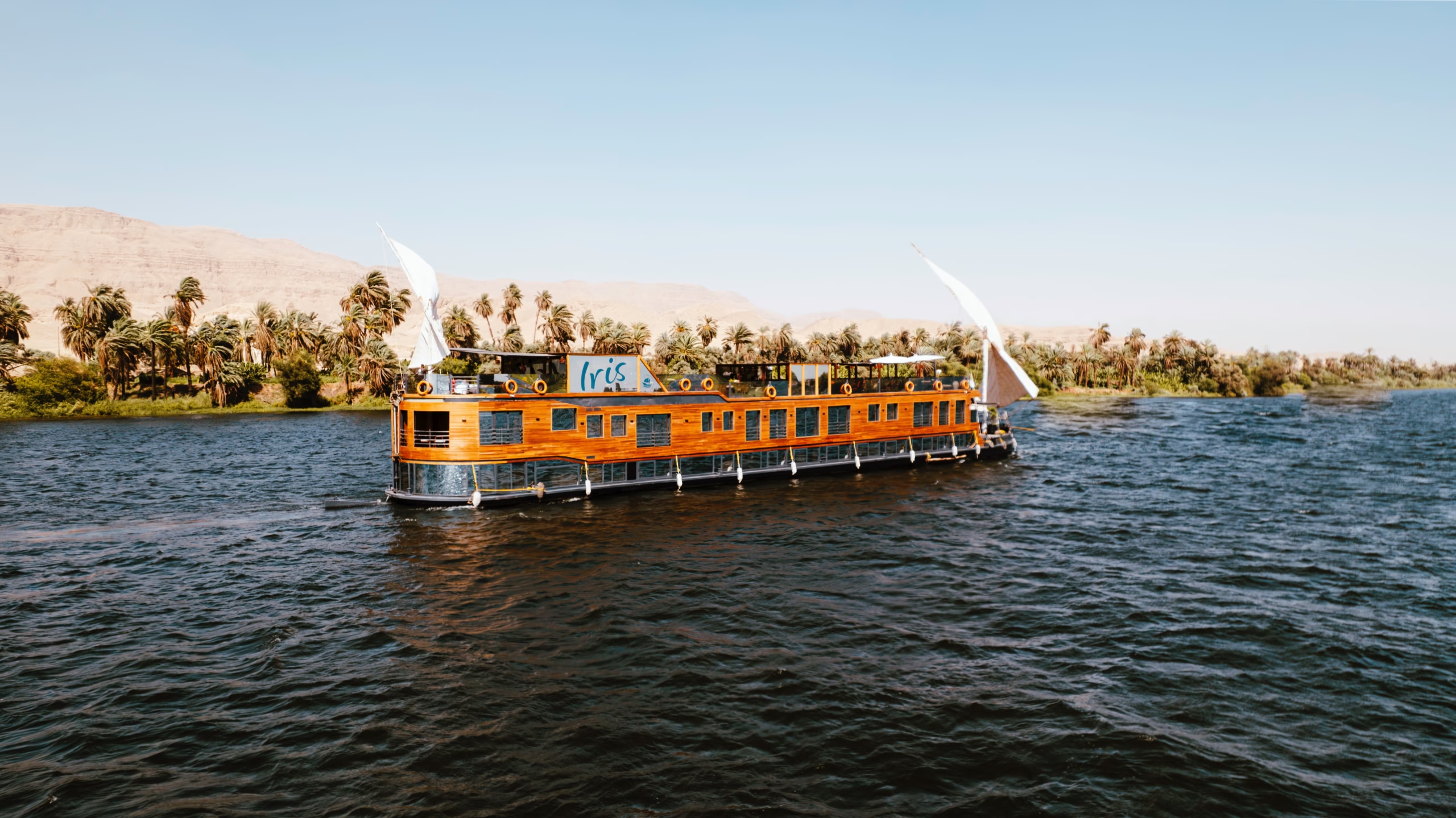
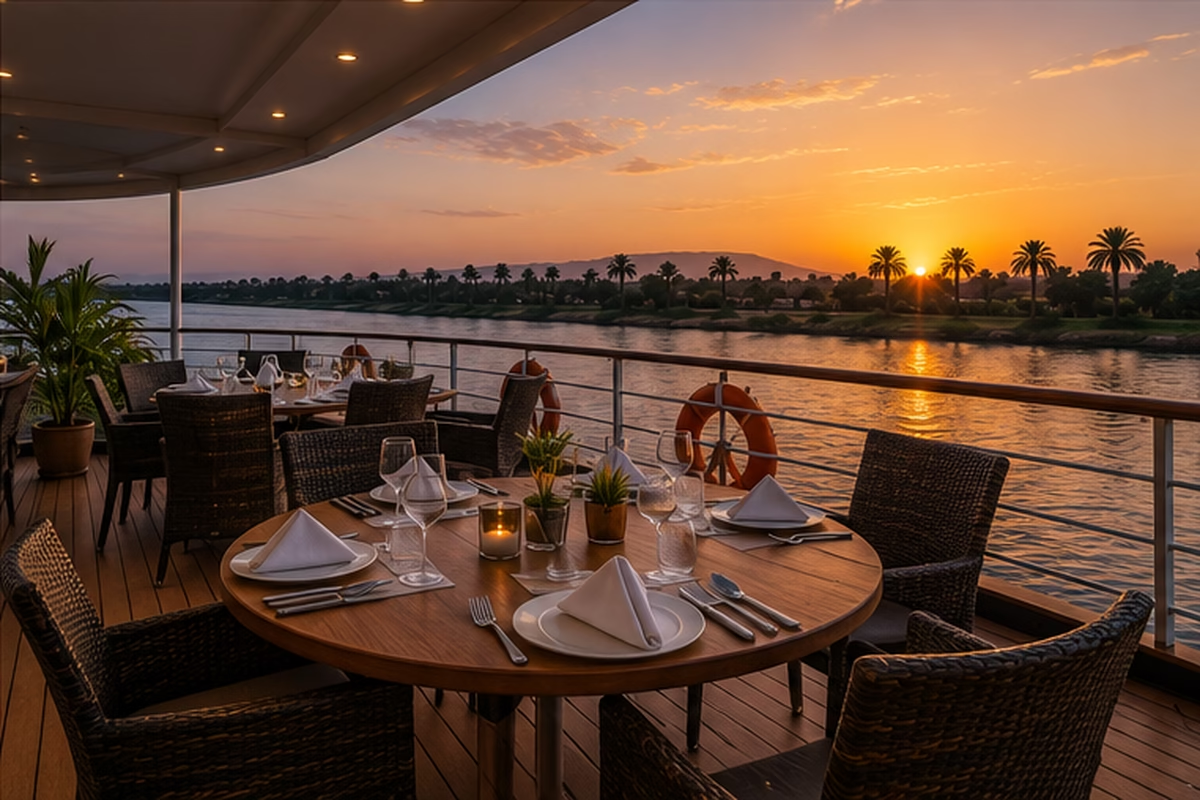
Food is one of the quiet pleasures of a Nile cruise: three meals a day served as the riverbank slides past your window, usually built around a buffet that blends international staples with genuine Egyptian dishes. This guide covers what dining onboard is typically like, how dietary needs are handled, and a few Egyptian dishes worth actively seeking out.
“Traveling with dietary requirements? Let us know before you book.”
What a Typical Onboard Meal Looks Like
Most Nile cruise ships serve meals buffet-style in a shared dining room, typically with breakfast, lunch, and dinner all included in a full-board package. Breakfast tends to be broadly international, with eggs cooked to order, breads, cheeses, fresh fruit, and Egyptian additions like ful medames (a slow-cooked fava bean dish) and fresh juice. Lunch and dinner usually mix continental dishes with a rotating selection of Egyptian and regional specialties, along with a salad bar, soup, and a dessert table. On higher-end ships, expect more elaborate presentation, themed dinner nights, and sometimes a small à la carte option alongside the buffet, while standard and deluxe ships lean more heavily on the buffet format throughout.
Egyptian Dishes Worth Trying Onboard
- Koshari – Egypt’s beloved national dish, layering rice, lentils, and macaroni under a tangy tomato sauce, topped with crispy fried onions
- Molokhia – a distinctive green soup made from jute leaves, usually served over rice with chicken or rabbit
- Ful medames – slow-cooked fava beans, seasoned with olive oil, lemon, and cumin, a breakfast staple across Egypt
- Stuffed pigeon (hamam mahshi) – a traditional delicacy, usually stuffed with spiced rice or freekeh, occasionally featured on themed dinner nights
- Om Ali – a warm, rich Egyptian bread pudding made with layers of pastry, milk, nuts, and raisins, and one of the most common desserts you will find onboard
Dietary Requirements and Special Meals
Vegetarian travelers are generally well catered for, since Egyptian cuisine leans heavily on legumes, vegetables, and grains, with dishes like koshari, molokhia in a vegetable stock version, ful medames, and a wide range of salads and mezze naturally fitting a vegetarian diet. Vegan travelers will find fewer dedicated labels but plenty of naturally vegan options among the same dishes, particularly if you ask the kitchen staff directly, since much of the buffet already excludes dairy and eggs. Halal dining is the default across Egypt, and there is generally no need to request it separately. For gluten-free, dairy-free, nut allergy, or other more specific dietary needs, it is important to notify your cruise operator well before departure, ideally at the time of booking, so the onboard kitchen can plan accordingly, since options for spontaneous substitutions once underway are more limited on a moving ship than in a city restaurant.
Drinks Onboard
Bottled water, soft drinks, tea, and Egyptian-style coffee are typically available throughout the day, though policies vary on whether these are included in your fare or charged separately, and it is worth confirming this detail when booking. Alcohol is generally available for purchase onboard on most ships, including local Egyptian beer and wine, though it is rarely included in the base package. Fresh mint tea and hibiscus tea, known locally as karkade, are both worth trying and are commonly offered as a welcome drink when you first board.
Water Safety and Staying Hydrated
Bottled or filtered water is standard practice throughout Egypt, including onboard, and tap water is not recommended for drinking. Cruise ships routinely provide bottled water in cabins and dining areas, so this is rarely something you need to arrange yourself, but it is worth carrying a bottle with you on every excursion regardless of season, since dehydration sets in quickly in the desert climate even on a mild winter day.
Comparing Dining Across Cruise Categories
Dining quality and variety is one of the more noticeable differences between standard, deluxe, and luxury Nile cruises, alongside cabin size and onboard amenities. If food is a priority for your trip, our guide to comparing luxury, deluxe, and ultra luxury Nile cruises is a useful next read, alongside our broader piece on savoring Egyptian cuisine.
A Typical Day of Eating Onboard
Meals on a Nile cruise are structured around the excursion schedule rather than the other way round, which shapes the whole rhythm of the day.
Breakfast is usually served early and often extended, because departure times vary. Expect eggs cooked to order, breads and pastries, cheeses including Egyptian white cheese, olives, tomatoes and cucumber, fresh fruit, yoghurt, and a hot dish or two. Ful medames appears on most Egyptian breakfast tables and is worth trying at least once with olive oil, lemon and cumin.
Lunch is generally a substantial buffet served after the morning excursion, when everyone returns hot and hungry. Salads, mezze, grilled meats, rice and pasta dishes, vegetable stews and a dessert table are standard. On days with long sailing stretches, lunch can be a relaxed affair with people drifting between the dining room and the sun deck.
Afternoon tea is offered on many ships, usually with cakes, biscuits and hot drinks in the lounge or on deck. It is easily skipped but pleasant when you are watching the bank slide past.
Dinner is the most formal meal, sometimes with themed evenings such as an Egyptian night or a galabeya party where guests are encouraged to wear traditional dress bought that afternoon in a market. These are cheerfully touristy rather than authentic, and most people enjoy them for what they are.
How Dining Differs by Cruise Category
Food is one of the clearer practical differences between cruise categories, more so than cabin size in day to day experience.
Standard five star ships serve competent buffet food with reasonable variety, leaning toward international dishes with Egyptian options alongside. Quality is consistent rather than memorable.
Deluxe ships offer wider choice, better presentation and more attentive service, with more effort given to regional dishes.
Luxury and ultra luxury vessels often add à la carte options alongside or instead of the buffet, sometimes a second dining venue, and generally source better ingredients. On the smallest ships and Dahabiyas, meals are frequently cooked to order for a handful of guests, which changes the experience entirely.
If food matters to you, this is a reasonable place to spend money, because you will eat three meals a day aboard for the length of the cruise.
More Egyptian Dishes Worth Seeking Out
Beyond the headline dishes, several things appear regularly on Nile cruise buffets and reward attention.
- Ta’ameya – Egyptian falafel, made with fava beans rather than chickpeas, greener inside and lighter in texture than the Levantine version
- Mahshi – vegetables such as vine leaves, courgettes, peppers or cabbage stuffed with spiced rice and herbs
- Bamia – okra slow cooked in a tomato and garlic sauce, usually with lamb or beef
- Fattah – layers of rice, crisped bread and meat with a garlic and vinegar tomato sauce, traditionally a celebration dish
- Roz mo’ammar – rice baked slowly in milk and cream until the top caramelises, richer than it sounds
- Baba ghanoush and tahini – standard on the mezze table and consistently good
- Aish baladi – Egyptian wholemeal flatbread, puffed and warm, served at almost every meal
- Basbousa – semolina cake soaked in syrup, often with coconut or almond
Koshari deserves a special mention as Egypt’s genuine national dish. The layering of rice, lentils and macaroni with tomato sauce, crisp fried onions and a garlic vinegar dressing sounds improbable and works completely. It is street food at heart, so the version on a cruise buffet is a polished interpretation rather than the real thing, which is best eaten from a dedicated koshari shop in Cairo.
Drinks Worth Trying
Karkade, hibiscus tea, is served hot in winter and chilled in summer, deep red and tart. It is often offered as a welcome drink when you board and is genuinely refreshing after a hot morning.
Fresh mint tea and strong Egyptian coffee, similar to Turkish coffee and served with the grounds settled at the bottom, are both widely available. Ask for it mazbout for medium sugar, or saada for no sugar at all.
Sugarcane juice and fresh mango juice are Egyptian staples worth ordering ashore. Sahlab, a warm thickened milk drink with cinnamon and nuts, appears in cooler months.
Egyptian beer and wine are produced domestically and available on most ships. Local wines have improved considerably in recent years, though they remain modest by international standards. Alcohol is almost never included in the base fare and is charged to your onboard account.
Dietary Requirements in Practice
How well specific needs are met depends less on the ship’s category and more on how much notice the kitchen has.
Vegetarians are well served almost by default. Egyptian cooking rests heavily on legumes, vegetables and grains, and ful, ta’ameya, koshari, mahshi, mezze and salads are all naturally meat free. Do check whether stews and soups use meat stock, as molokhia commonly does.
Vegans will find plenty that works but less that is labelled. Many staple dishes exclude dairy and egg already. Speaking directly to the restaurant manager on day one, rather than assessing each buffet as it appears, is the single most effective step.
Gluten free requires advance notice. Bread is central to Egyptian meals, and while rice, grilled meats, salads and many stews are naturally gluten free, cross contamination on a buffet line is a real consideration for coeliac travellers rather than a theoretical one.
Nut allergies need clear communication, as nuts appear in desserts, some rice dishes and garnishes. Carry your own medication and do not rely on it being available onboard.
Halal is the default across Egypt and needs no special request. Kosher catering is not standard and would need arranging well in advance, if at all.
Notify your operator at the time of booking rather than at embarkation. A ship provisions before sailing and cannot easily source specialist items once underway between Luxor and Aswan.
Eating Ashore
Full board means most travellers eat every meal aboard, but stepping off for one meal in Luxor or Aswan is worth doing if the schedule permits. Ship food is designed to please a broad international group, which necessarily smooths the edges off regional cooking.
Choose busy places with high turnover, which is the reliable indicator of freshness anywhere in the world. Ask your guide for recommendations rather than relying only on reviews, as they eat locally and know what is currently good.
Water and Stomach Upsets
Drink bottled or filtered water throughout, which ships provide as standard. Use it for brushing teeth as well if you are being careful.
Most travellers have no difficulty at all. Where problems occur, they usually trace to a change in diet and water rather than anything unsafe. Sensible precautions are to check that ice comes from filtered water, favour fruit you peel yourself, use hand sanitiser before buffet meals since you are handling shared serving utensils, and introduce unfamiliar rich foods gradually rather than sampling everything on the first evening.
Bring rehydration sachets and any anti diarrhoeal medication you would normally use. In Upper Egypt’s heat, the dehydration that accompanies a stomach upset is more of a problem than the upset itself.
Dining aboard is one of the genuine pleasures of a Nile cruise: three unhurried meals a day, a changing riverbank outside the window, and no decisions to make about where to eat. Approached with a little curiosity rather than caution, the food becomes part of the trip rather than merely fuel between temples.
“Not sure which cruise to choose? Tell us your dates and budget.”
Not sure which Nile cruise is right for you?
Answer a few quick questions and we will match you with the best ships for your trip.