Cultural Nile cruises is one of the best ways to understand Egypt beyond hotel stays and quick sightseeing stops. Instead of only moving from one attraction to another, you follow the river that shaped ancient temples, farming villages, trading towns, and daily life for thousands of years. A well-planned cultural cruise can combine guided temple visits, quiet river views, local markets, Nubian heritage, traditional food, and storytelling from an Egyptologist guide.
This guide explains what makes cultural Nile cruises different, which routes work best, what experiences to expect, and how to choose the right cruise style for your trip. You can also compare our main Egypt Nile cruises if you already know your travel dates and preferred route.
| Need help choosing a cultural Nile cruise? Tell us your travel dates, number of travelers, preferred route, budget range, and cruise style. Contact Egypt Nile Cruise Hub or message us on WhatsApp for current options. |
What Is a Cultural Nile Cruise?
A cultural Nile cruise is a cruise experience designed around Egypt’s history, heritage, temples, traditions, and local life. Most Nile cruises include sightseeing, but a cultural cruise gives more meaning to those visits. The focus is not only comfort onboard. The real value comes from understanding why each stop matters.
- You visit major temples and archaeological sites with a guide.
- You learn the story behind places such as Karnak, Luxor Temple, Edfu, Kom Ombo, Philae, and the Valley of the Kings.
- You may add local markets, Nubian village visits, traditional performances, cooking experiences, or museum-style talks depending on the cruise and itinerary.
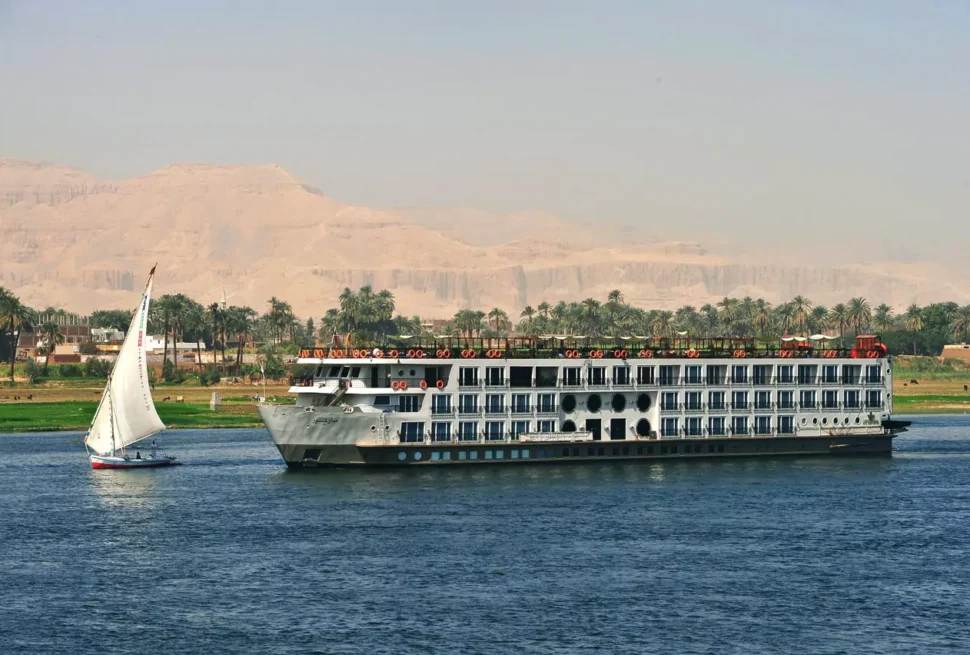
- You travel slowly along the Nile, which helps you see village life, farms, river islands, and desert edges between Luxor and Aswan.
For many travelers, this makes a cultural cruise more memorable than a simple hotel-and-bus tour. You stay onboard while the landscape changes around you, then step off the ship to explore some of Egypt’s most important heritage sites.
Why Choose a Cultural Nile Cruise?
1. You Understand the Temples, Not Just See Them
Egypt’s temples are beautiful, but they are easier to appreciate when someone explains the symbols, kings, gods, rituals, and historical timeline. A cultural cruise usually includes guided visits, so you do not walk through places like Karnak Temple or Philae Temple without context.
2. You Follow the Classic Heritage Route
The most popular cultural cruise route runs between Luxor and Aswan. This route connects many of the most famous sites in Upper Egypt, including Luxor’s East Bank temples, West Bank tombs, Edfu, Kom Ombo, and Aswan’s island temples.
3. You Can Add Local Experiences
Depending on your package, you may add a Nubian village visit in Aswan, a local market walk, a cooking class, a music or dance evening, or a slower sailing experience on a Dahabiya. These experiences help you see Egypt as a living culture, not only as an ancient civilization.
4. It Works Well for First-Time Visitors
If this is your first trip to Egypt, a cultural Nile cruise can make planning easier. You cover major sites while your cabin, meals, and cruise route stay organized. You can then add Cairo, Giza, Abu Simbel, or the Red Sea before or after the cruise.
Best Cultural Nile Cruise Routes in Egypt
5 Days Luxor to Aswan Nile Cruise
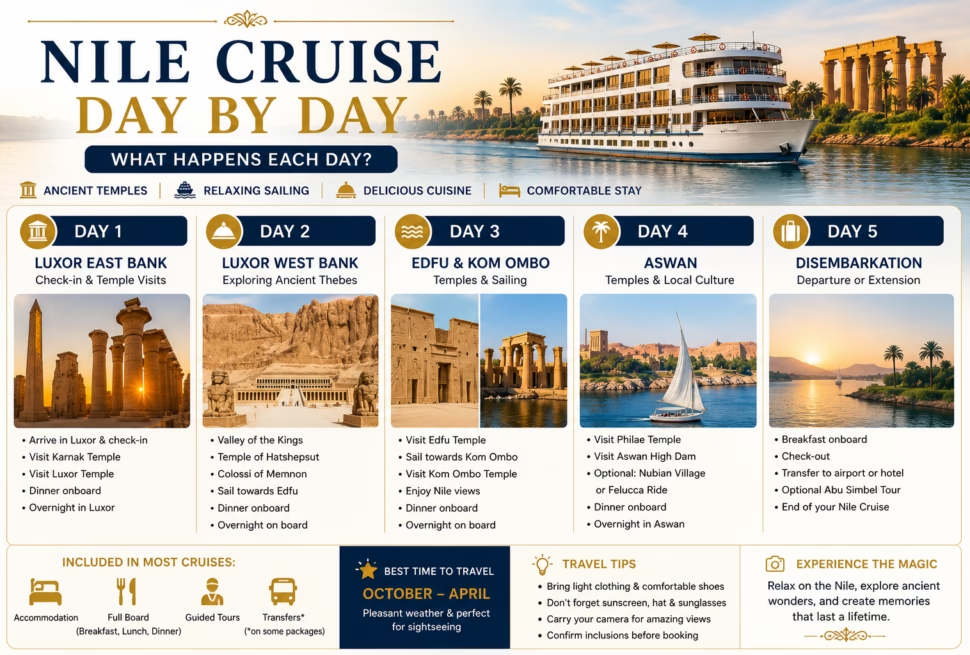
A 5 days Nile cruise from Luxor to Aswan is one of the best choices for travelers who want a balanced cultural route. It usually starts in Luxor, where you can visit Karnak Temple, Luxor Temple, the Valley of the Kings, Hatshepsut Temple, and other West Bank sites before sailing toward Edfu, Kom Ombo, and Aswan.
This route gives you more breathing room than a shorter cruise. It is a strong option for first-time visitors, couples, families, and travelers who want a relaxed pace with major temple visits included.
4 Days Aswan to Luxor Nile Cruise
A 4 days Nile cruise from Aswan to Luxor is better for travelers with limited time. It usually starts in Aswan, visits Philae Temple and nearby highlights, then continues through Kom Ombo and Edfu before finishing in Luxor.
This route can work well if you visit Abu Simbel before embarkation or if your Egypt itinerary already places you in Aswan. It is shorter and more compact, but still gives you a strong cultural introduction to Upper Egypt.
Luxor to Aswan Cultural Cruise
The Luxor to Aswan Nile cruise route is the classic direction for many travelers. Starting in Luxor is helpful because the city has one of the richest clusters of ancient sites in Egypt. You begin with powerful temple and tomb visits, then sail south toward quieter river scenery and Aswan’s island atmosphere.
Dahabiya Cultural Cruise
A Dahabiya Nile cruise Egypt is ideal for travelers who prefer a smaller boat, slower pace, and more intimate atmosphere. Dahabiya cruises often feel more boutique than large cruise ships. They can be a strong fit for culture-focused travelers because the experience feels closer to the river and less crowded.
A Dahabiya may not suit travelers who want a large ship with many facilities, but it can be excellent for couples, small groups, photographers, and travelers who want a quieter heritage journey.
Lake Nasser and Abu Simbel Heritage Route
If your cultural interest includes Nubian monuments and Abu Simbel, consider adding a Lake Nasser Nile Cruise. Lake Nasser cruises are different from the classic Luxor-Aswan Nile route. They are quieter and focus on southern monuments, desert scenery, and important sites linked to Nubian heritage.
Important Heritage Stops on a Cultural Nile Cruise
Luxor: Karnak Temple, Luxor Temple, and the West Bank
Luxor is often the cultural heart of a Nile cruise. The East Bank includes Karnak Temple and Luxor Temple. The West Bank includes the Valley of the Kings, Hatshepsut Temple, Colossi of Memnon, and other tombs and temple sites. UNESCO recognizes Ancient Thebes with its Necropolis as a World Heritage site, which shows how important this area is to Egypt’s ancient history.
Edfu: The Temple of Horus
Edfu is one of the most popular stops between Luxor and Aswan. The Temple of Horus helps travelers understand temple layout, ritual spaces, wall carvings, and religious symbolism. It is also a good stop for travelers who want to see a temple that feels complete and easy to follow with a guide.
Kom Ombo: A Temple Beside the River
Kom Ombo Temple sits close to the Nile, which makes it one of the most atmospheric stops on the route. The temple is known for its unusual double design and its connection with Sobek and Horus. Many cruise itineraries visit Kom Ombo around sunset or evening, depending on sailing schedules.
Aswan: Philae Temple, Nubian Culture, and River Islands
Aswan brings a softer and more peaceful feeling to the cultural Nile cruise experience. Many itineraries include Philae Temple, the High Dam, and optional local experiences such as a Nubian village visit or a market walk. Aswan is also a common starting point for Abu Simbel day trips.
Abu Simbel: A Powerful Add-On
Abu Simbel is not normally part of the standard Luxor-Aswan sailing route, but many travelers add it before or after the cruise. It is one of Egypt’s most impressive temple experiences and a strong choice for travelers who want a deeper cultural itinerary.
What Cultural Experiences Can Be Included?
- Egyptologist-guided temple tours in Luxor, Edfu, Kom Ombo, and Aswan.
- Optional Nubian village visit in Aswan.
- Local market walks for spices, crafts, textiles, and daily-life photography.
- Traditional music or dance performance onboard or during an evening activity.
- Cooking or food-focused experiences depending on the cruise package.
- Storytelling, lectures, or informal guide talks about ancient Egypt, Nubian culture, local customs, and Nile life.
- Quiet sailing time for photography and observing river villages, farms, and palm-lined islands.
Not every cruise includes every activity. Before booking, ask what is included, what is optional, and what requires extra payment. This is especially important for Abu Simbel, hot air balloon rides, private guides, entrance fees, tipping, and transfers.
Cultural Nile Cruise vs Regular Nile Cruise
| Feature | Regular Nile Cruise | Cultural Nile Cruise |
| Main focus | Comfort, sightseeing, river views | Heritage, guided learning, temples, local experiences |
| Best for | Travelers who want a simple cruise package | Travelers who want historical context and deeper meaning |
| Guiding | Often included, but may be basic | More important part of the experience |
| Local culture | May be limited | Can include villages, markets, performances, food, or workshops |
| Booking question | Which ship and route? | Which route, guide quality, site depth, and cultural add-ons? |
Who Should Book a Cultural Nile Cruise?
- First-time visitors who want a clear introduction to ancient Egypt.
- Couples who want a meaningful trip with history, river views, and relaxed evenings.
- Families who want a structured itinerary with educational value.
- Senior travelers who prefer organized sightseeing instead of changing hotels often.
- Photographers who want temples, river landscapes, villages, and golden-hour views.
- Travelers who enjoy museums, archaeology, architecture, storytelling, and local culture.
If your main priority is premium comfort, you may prefer a Luxury Nile cruise Egypt. So, If your main priority is quiet sailing and a smaller boat, consider a Dahabiya. If your main priority is a shorter route, compare the 4-day Aswan to Luxor option.
What to Check Before Booking
- Confirm the exact route: Luxor to Aswan, Aswan to Luxor, Dahabiya, or Lake Nasser.
- Check the number of nights onboard and the full daily itinerary.
- Ask which temple visits are included and which are optional.
- Confirm if an Egyptologist guide is included.
- Ask whether entrance fees, transfers, and service charges are included.
- Check cabin type, deck level, ship category, and meal plan.
- Ask about Abu Simbel, Nubian village visits, hot air balloon rides, and private guide upgrades if you want them.
- Compare current availability and seasonal rates before final booking.
You can also review current Nile cruise deals or ask our team to compare available options based on your travel dates.
| Simple booking advice For the best recommendation, send your dates, route preference, number of travelers, cabin preference, and whether you want Abu Simbel or Nubian village experiences. Our team can help match you with a suitable cruise instead of choosing only by price. |
Sample Cultural Nile Cruise Plan
| Day | Area | Cultural Focus |
| Day 1 | Luxor | Karnak Temple, Luxor Temple, ancient Thebes introduction |
| Day 2 | Luxor West Bank | Valley of the Kings, Hatshepsut Temple, tomb and temple history |
| Day 3 | Edfu / Kom Ombo | Temple of Horus, Kom Ombo Temple, Nile-side temple experience |
| Day 4 | Aswan | Philae Temple, Nubian culture, local market or village add-on |
| Optional add-on | Abu Simbel | Rock-cut temples and Nubian monuments experience |
This is only an example. Actual schedules can change based on cruise direction, sailing dates, ship category, flight timing, and local conditions. Compare 5 days Nile cruise from Luxor to Aswan and 4 days Nile cruise from Aswan to Luxor before choosing.
Responsible Cultural Travel Tips
- Dress respectfully when visiting villages, religious sites, and local communities.
- Ask before taking close-up photos of people, especially children, vendors, and private homes.
- Carry small cash for tips, small purchases, and optional local experiences.
- Listen to your guide at archaeological sites and avoid touching carvings or climbing restricted areas.
- Buy crafts respectfully and bargain politely where it is expected.
- Keep enough water, sunscreen, a hat, and comfortable walking shoes for temple visits.
Frequently Asked Questions
What is a cultural Nile cruise?
A cultural Nile cruise is a Nile cruise focused on Egypt’s history, temples, local traditions, and heritage experiences. It usually includes guided sightseeing and may include local markets, Nubian village visits, performances, or educational talks depending on the package.
Which route is best for a cultural Nile cruise?
The classic route between Luxor and Aswan is the best choice for most travelers because it includes many major heritage stops. A 5-day Luxor to Aswan cruise is more relaxed, while a 4-day Aswan to Luxor cruise works better for shorter trips.
Are temple visits included in cultural Nile cruises?
Most cultural Nile cruises include guided visits to major temples, but inclusions vary by package. Always confirm whether entrance fees, guide service, transfers, and optional visits are included before booking.
Is Abu Simbel included in a cultural Nile cruise?
Abu Simbel is usually an optional add-on before or after a Luxor-Aswan cruise. Some Lake Nasser cruises include Abu Simbel as part of the route. Ask before booking if Abu Simbel is important to your trip.
Is a Dahabiya good for a cultural Nile cruise?
Yes. A Dahabiya can be excellent for travelers who want a slower, smaller, and more intimate cultural experience. It may not offer the same large-ship facilities, but it often feels more personal and peaceful.
Can families book a cultural Nile cruise?
Yes. Families can enjoy cultural Nile cruises because the route is organized and educational. Choose a comfortable ship, check walking distances, and ask about guide style if traveling with children or elderly family members.
How many days do I need for a cultural Nile cruise?
Most travelers choose 4 days from Aswan to Luxor or 5 days from Luxor to Aswan. If you want a deeper itinerary with Cairo, Giza, Abu Simbel, or Lake Nasser, allow more days.
How do I choose the right cultural Nile cruise?
Choose based on route, ship category, guide quality, included visits, cabin type, travel season, and optional cultural add-ons. If you are unsure, share your dates and budget with a local cruise specialist for a tailored recommendation.
Final Thoughts
A cultural Nile cruise is more than a way to move between Luxor and Aswan. It is a calm, meaningful way to connect Egypt’s ancient monuments with the living culture along the river. With the right route, guide, and cruise style, you can visit world-famous temples, learn the stories behind them, enjoy the changing Nile landscape, and add local experiences that make the journey feel personal.
To plan your trip, compare our Egypt Nile cruises, check the Luxor to Aswan Nile cruise route, explore a Dahabiya Nile cruise Egypt, or contact Egypt Nile Cruise Hub for current cultural cruise options.
“Not sure which cruise to choose? Tell us your dates and budget.”
Not sure which Nile cruise is right for you?
Answer a few quick questions and we will match you with the best ships for your trip.